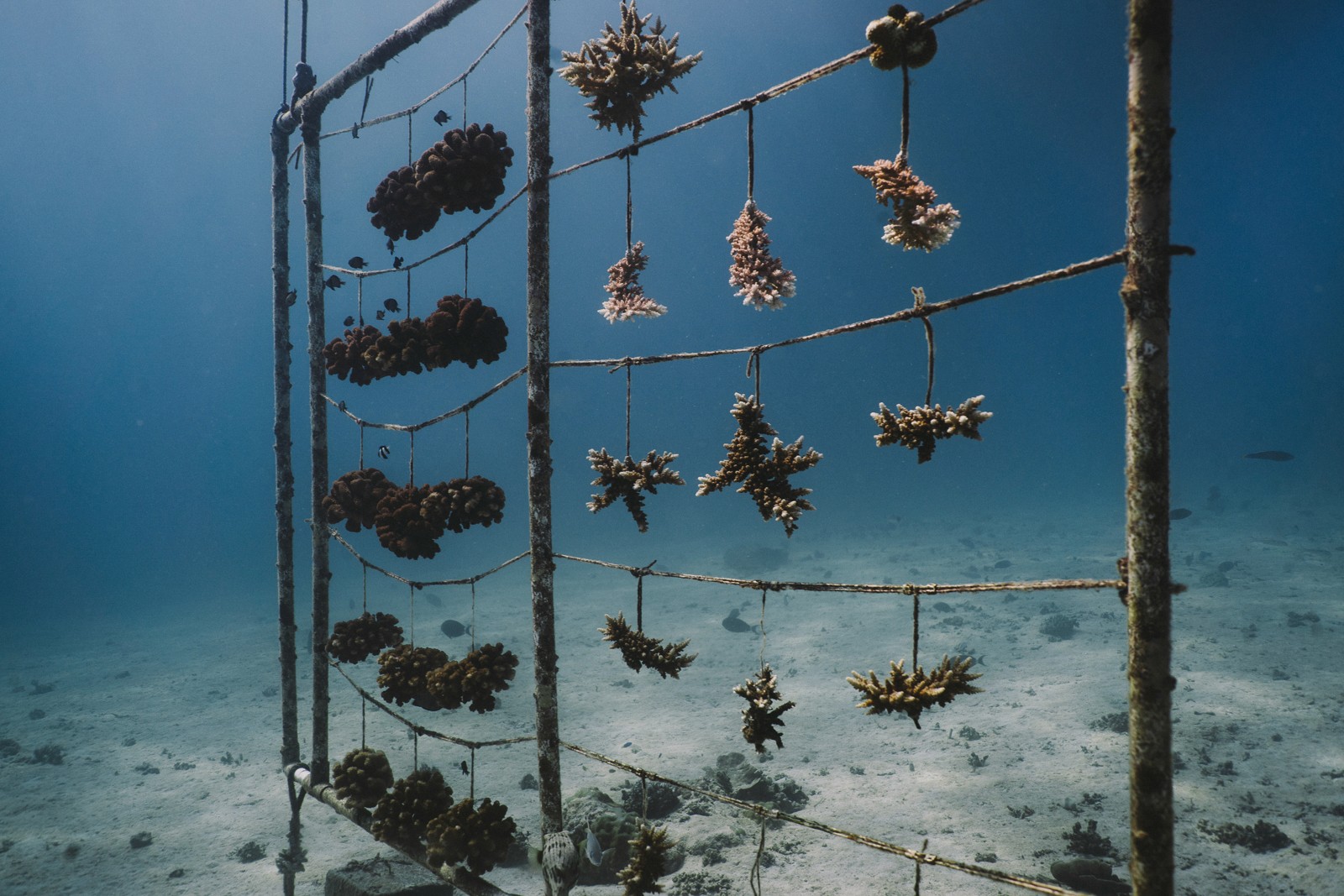
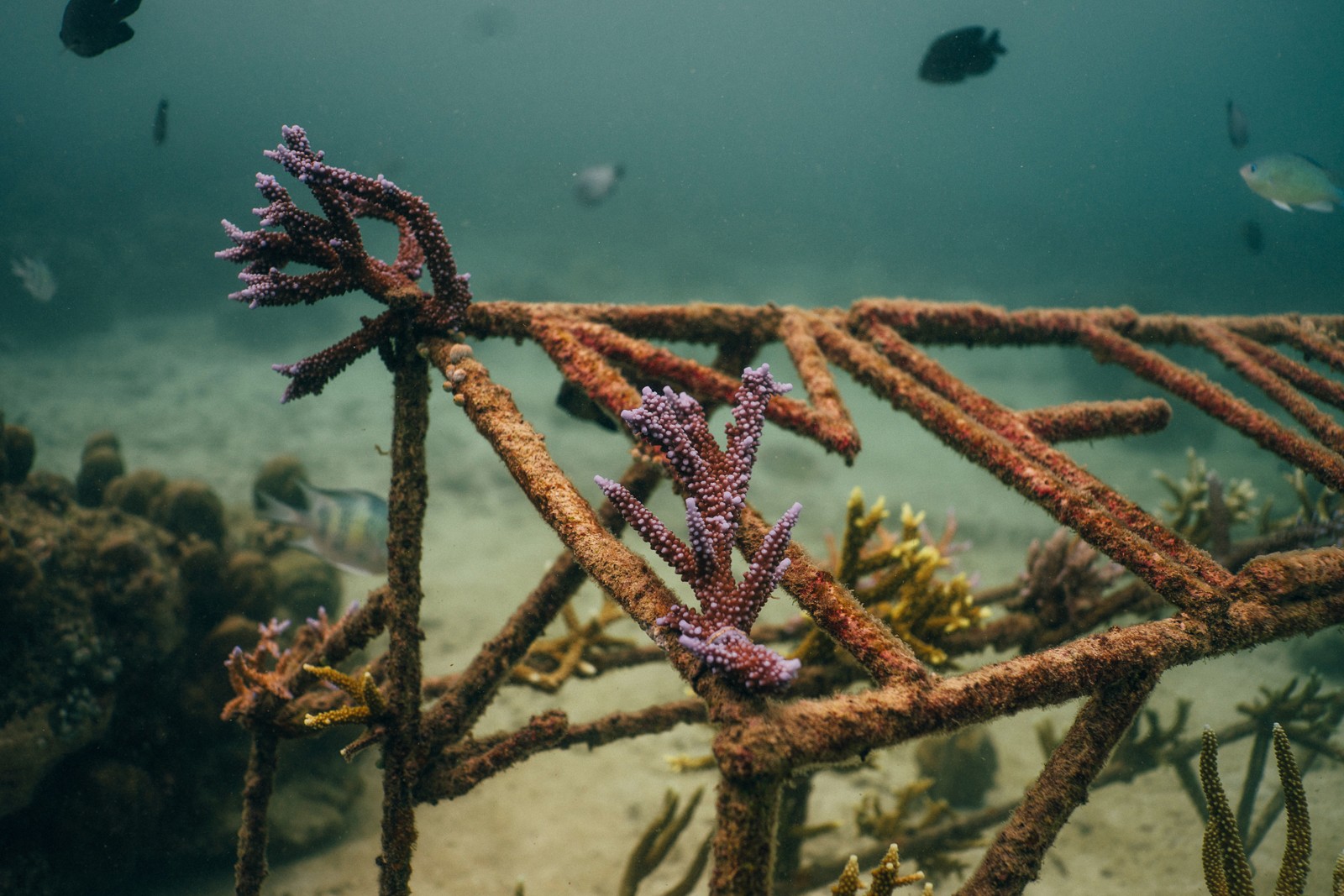
A dive center work on coral conservation, the story of Abyss Ocean World.
Location
Pemuteran, Indonesia
Year
2026
In Pemuteran, a dive center decided that protecting the reef was not optional. Now the whole team is in the water.
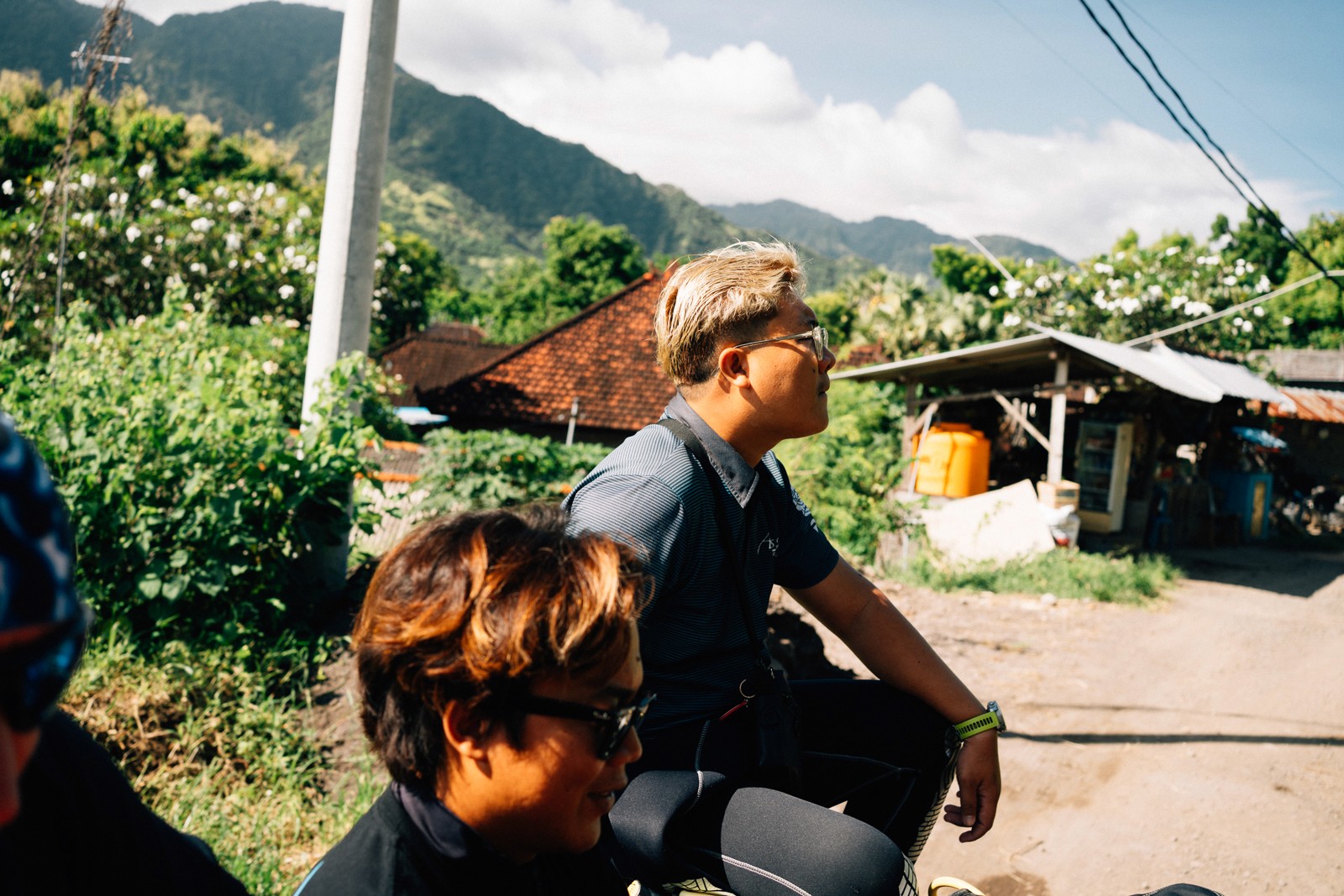
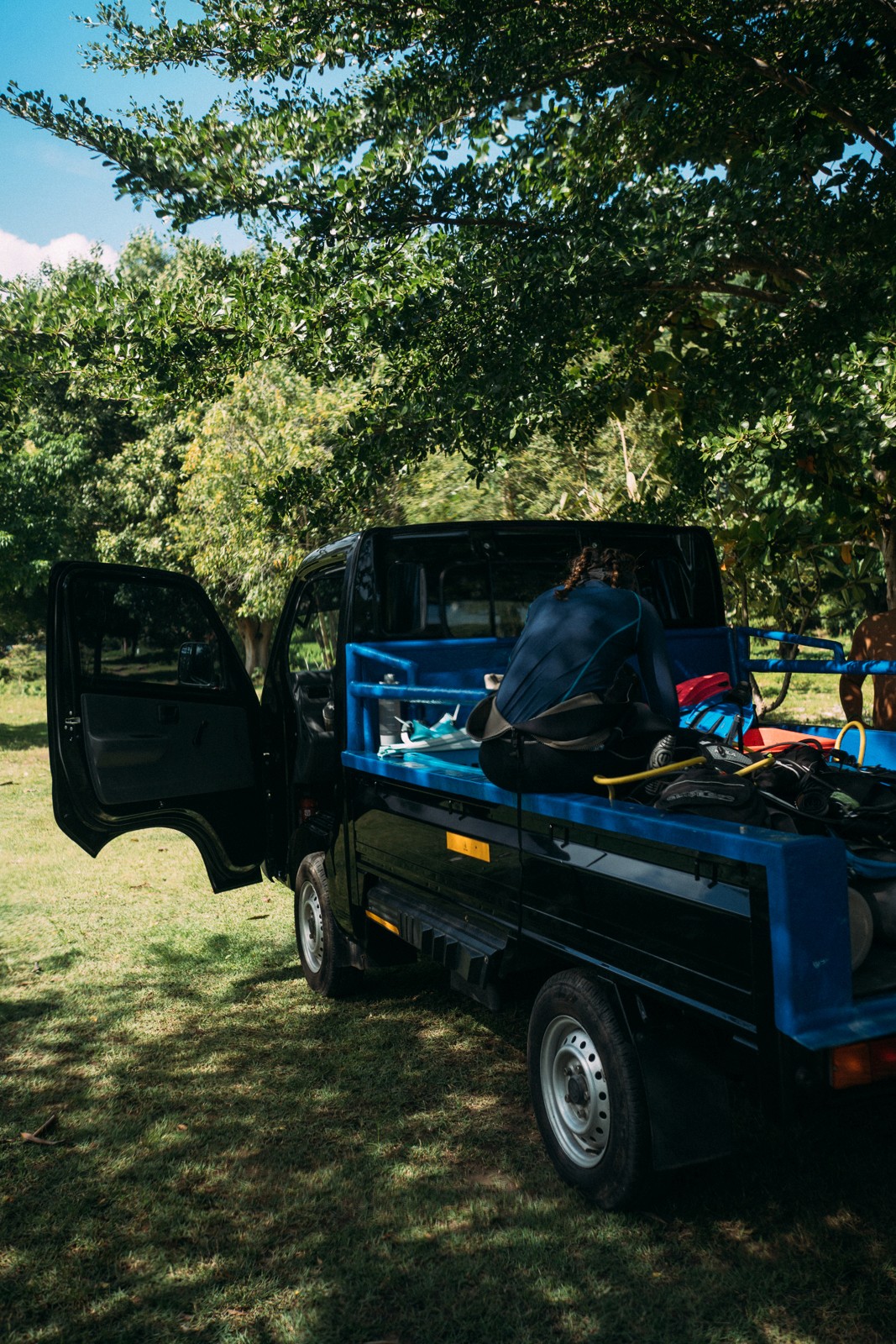
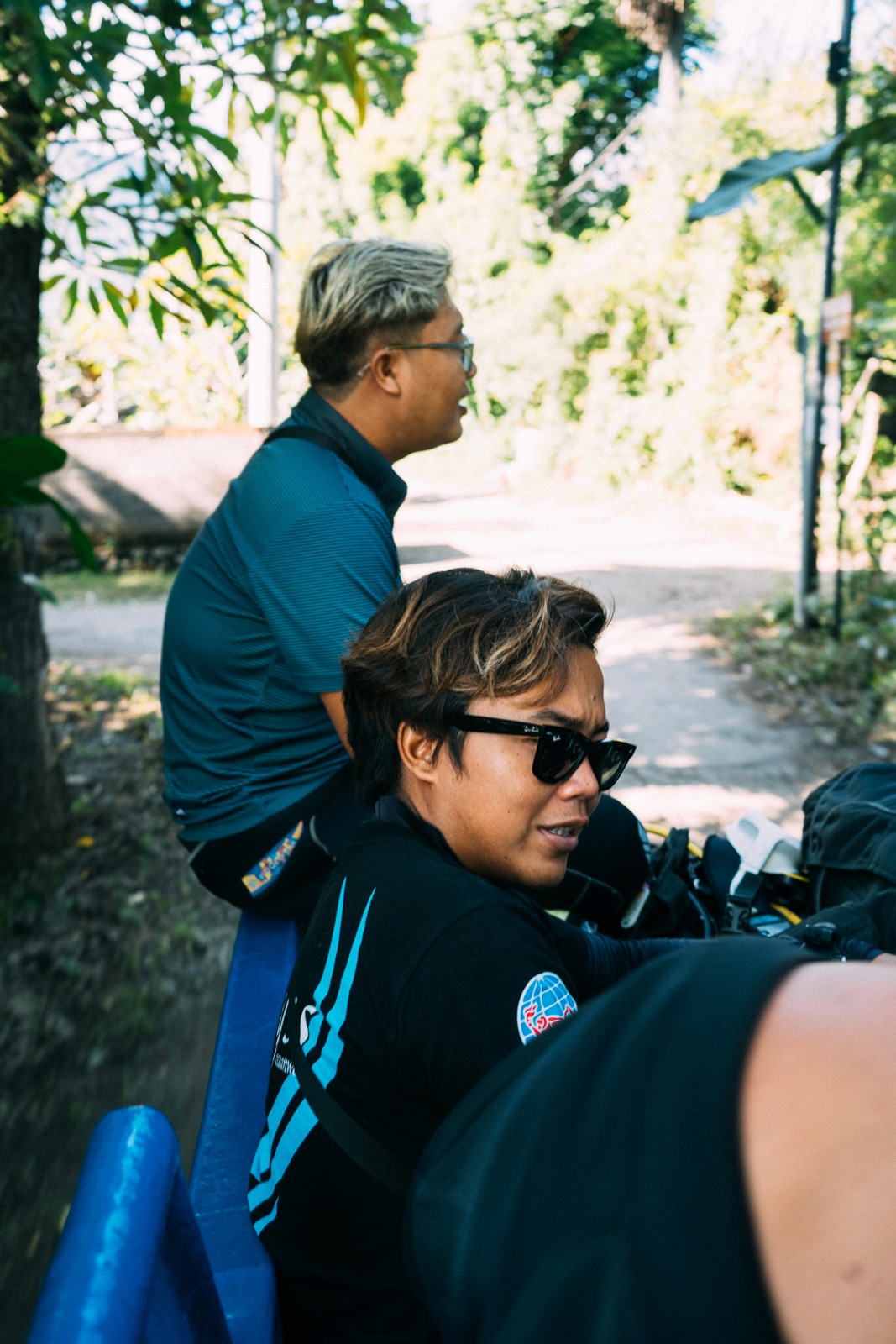
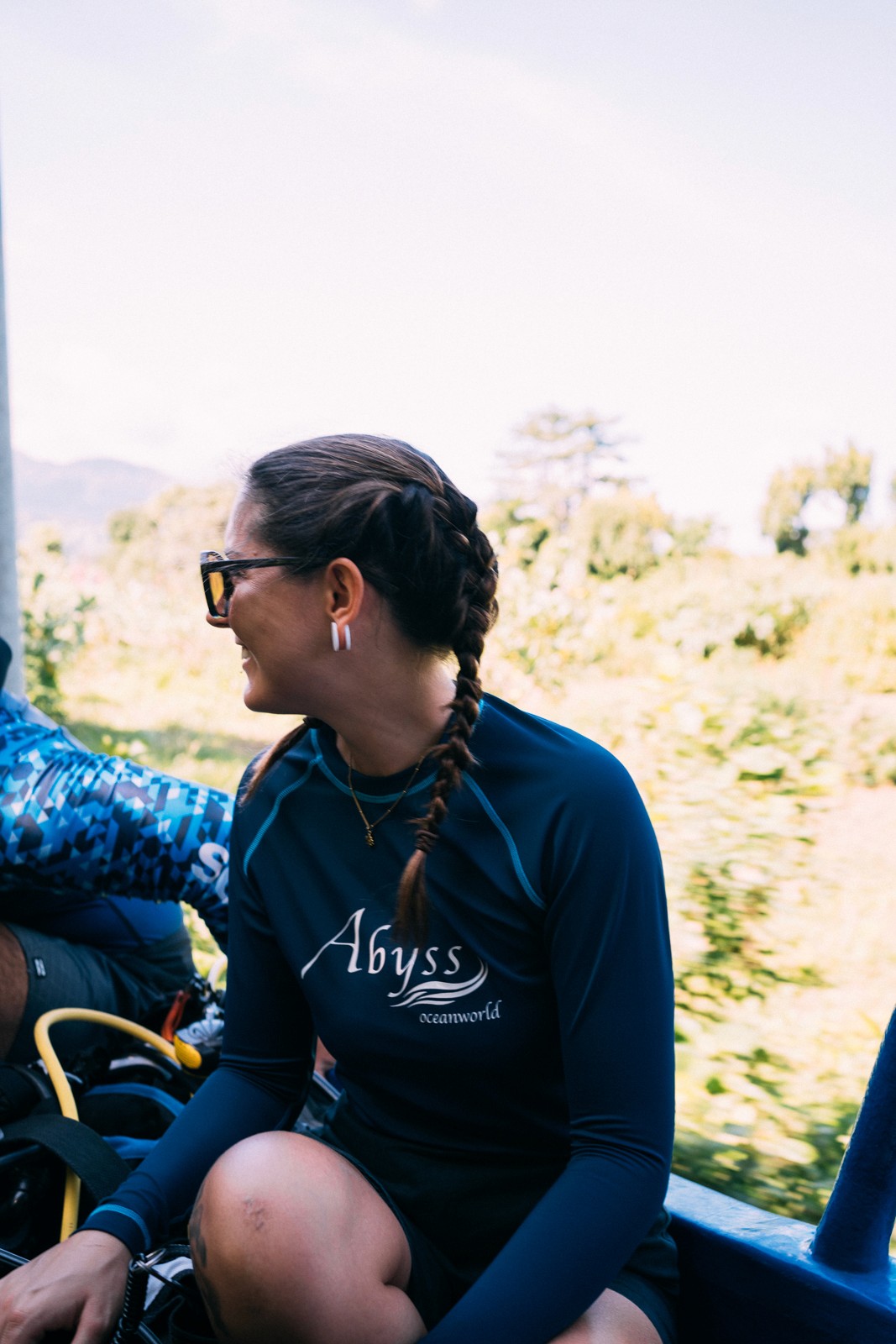
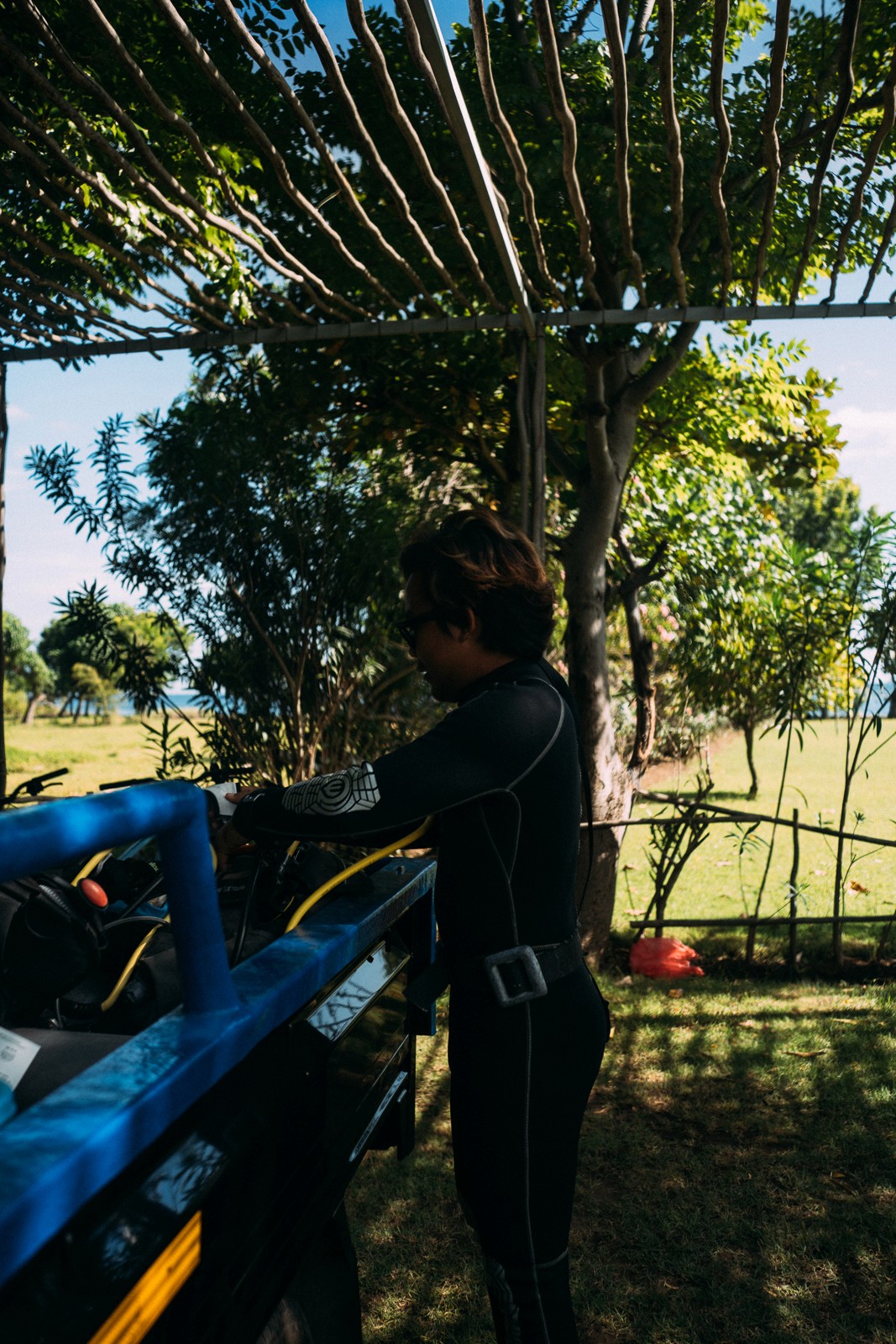
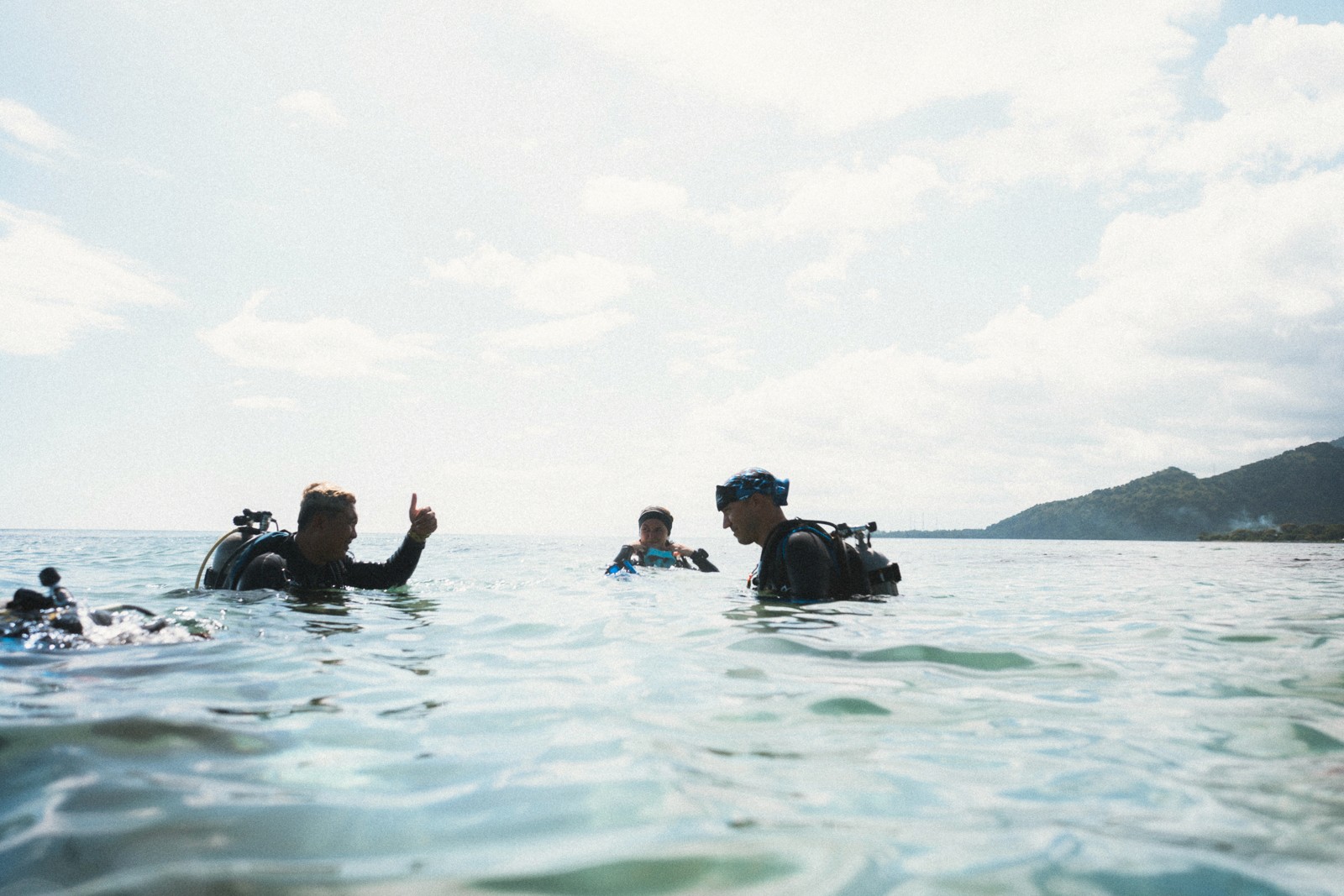
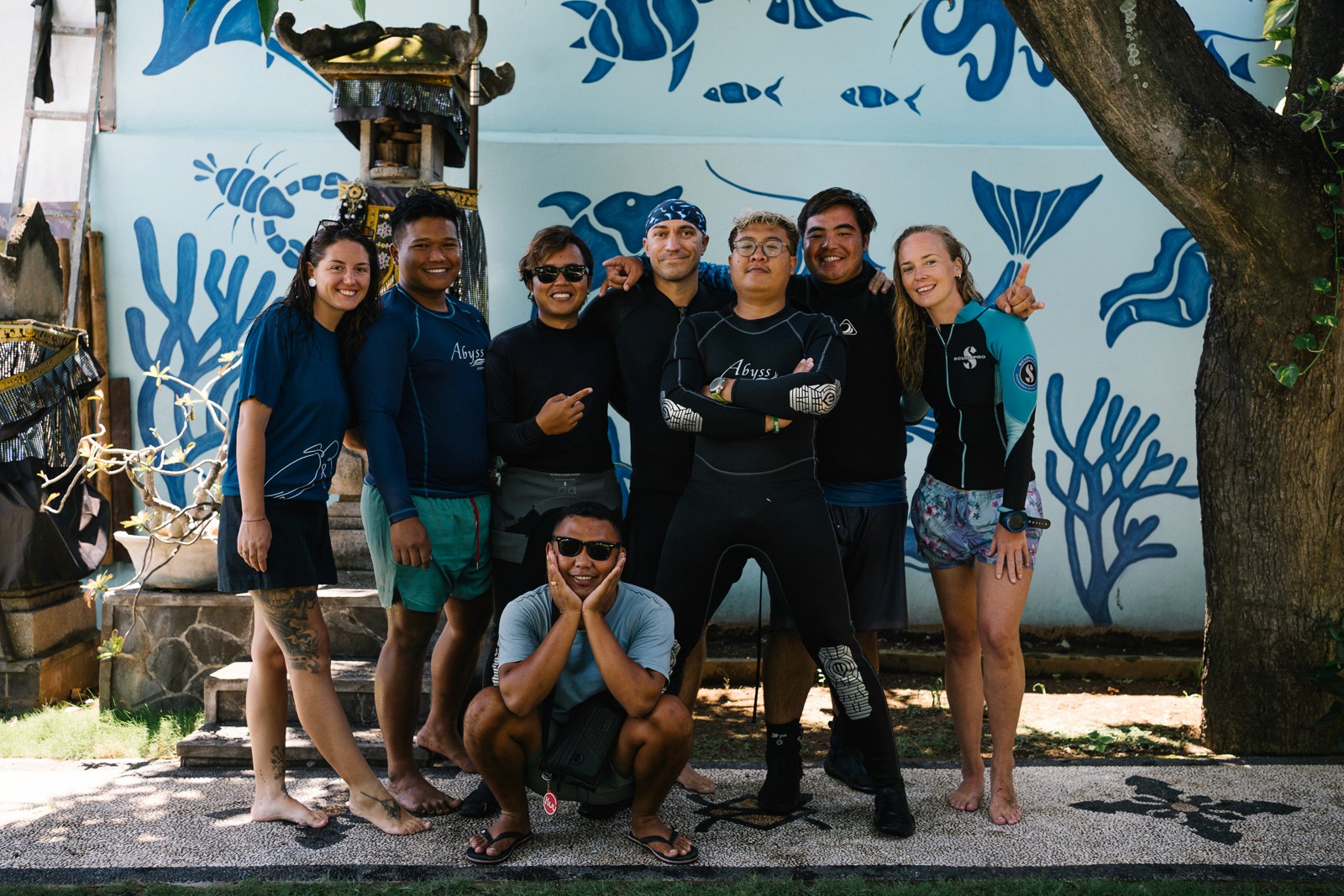
It is 9AM on a Friday and I am piled into the back of an open pick-up truck with seven people and all the diving gear that comes with them. Ari, the dive instructor who left a banking career to come back to the ocean, is making everyone laugh. Kadek, who learned everything he knows about coral from this job, is quieter but grinning. Debby, who traded twelve years of Swiss office work for a wetsuit, is double-checking the equipment and explaining the dive site to all of us.
The ride is short. We arrive at what looks like a dream: green grass reaching almost to the shoreline, horses grazing in the early light, and water so flat and so blue it barely seems real. This is Milos Garden, one of Abyss Ocean World crew’s favourite dive sites and the reef they have chosen to monitor and protect.
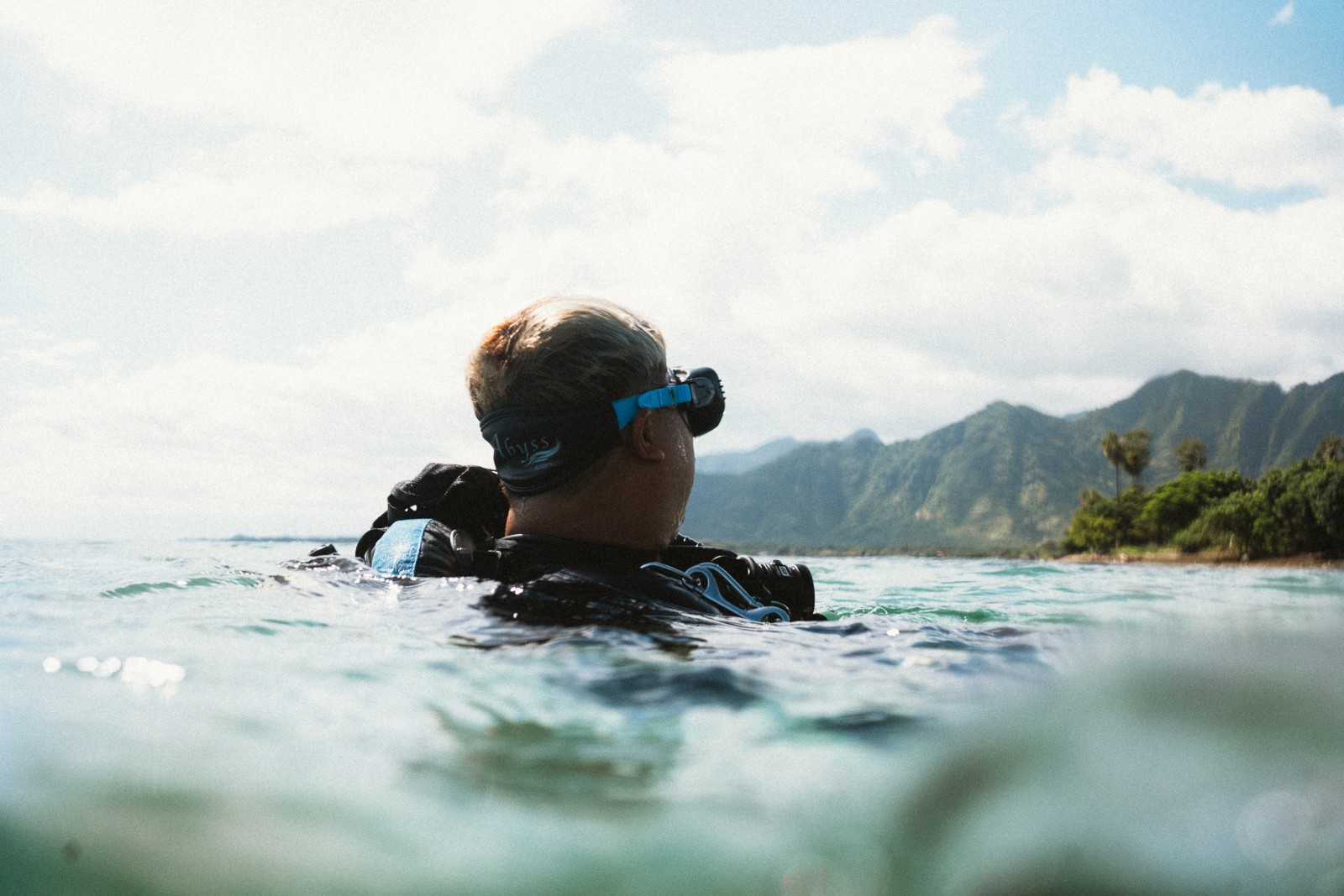
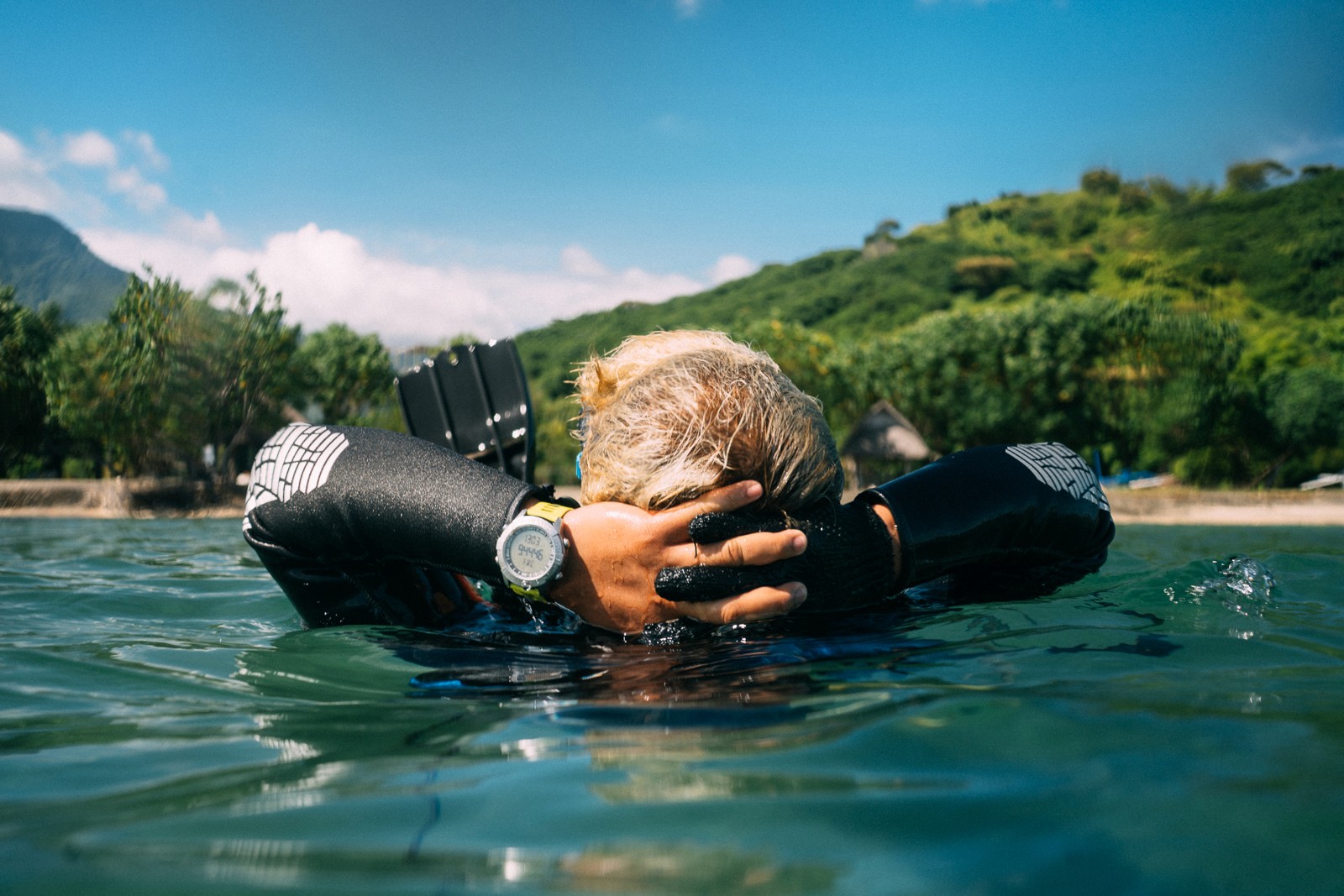
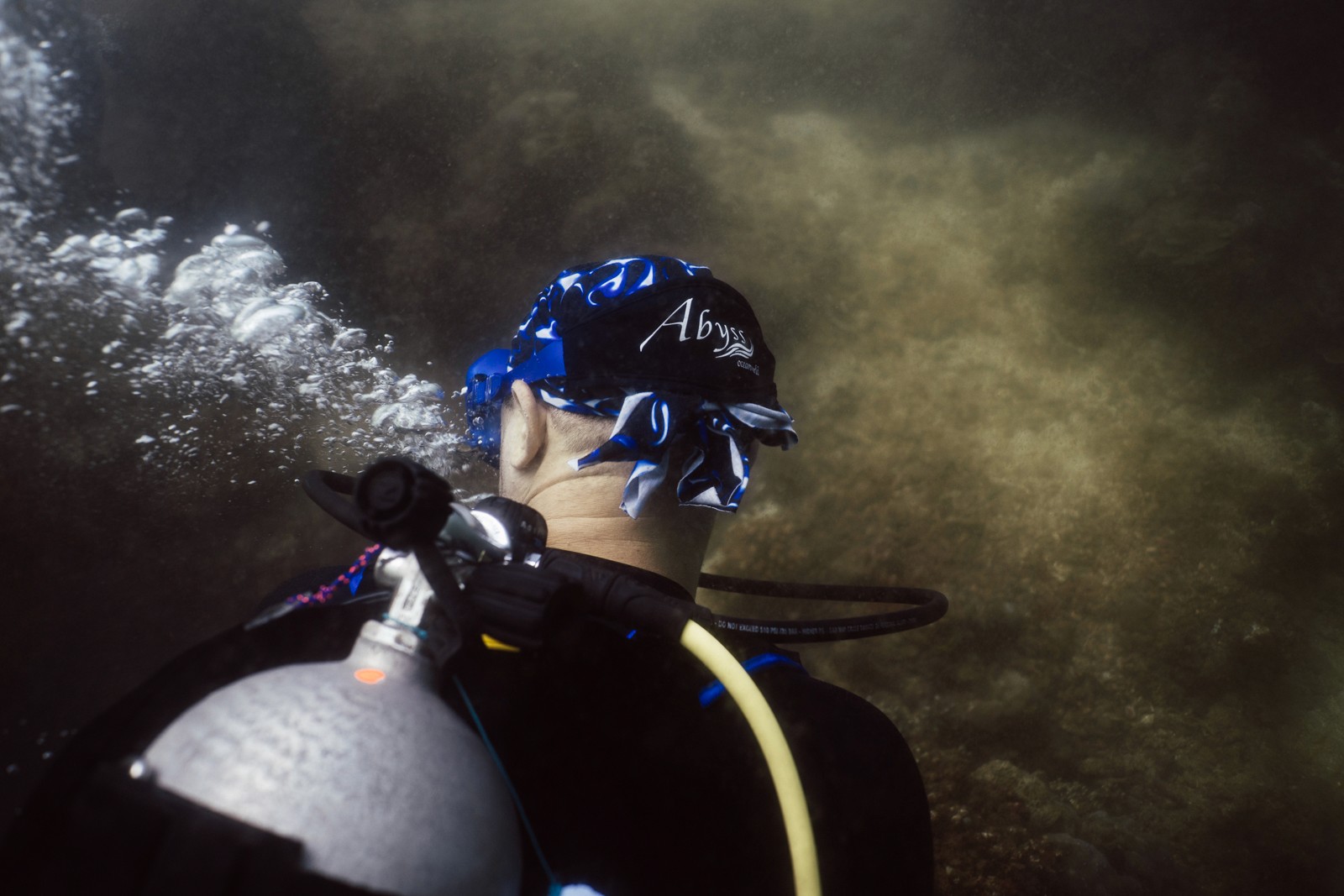
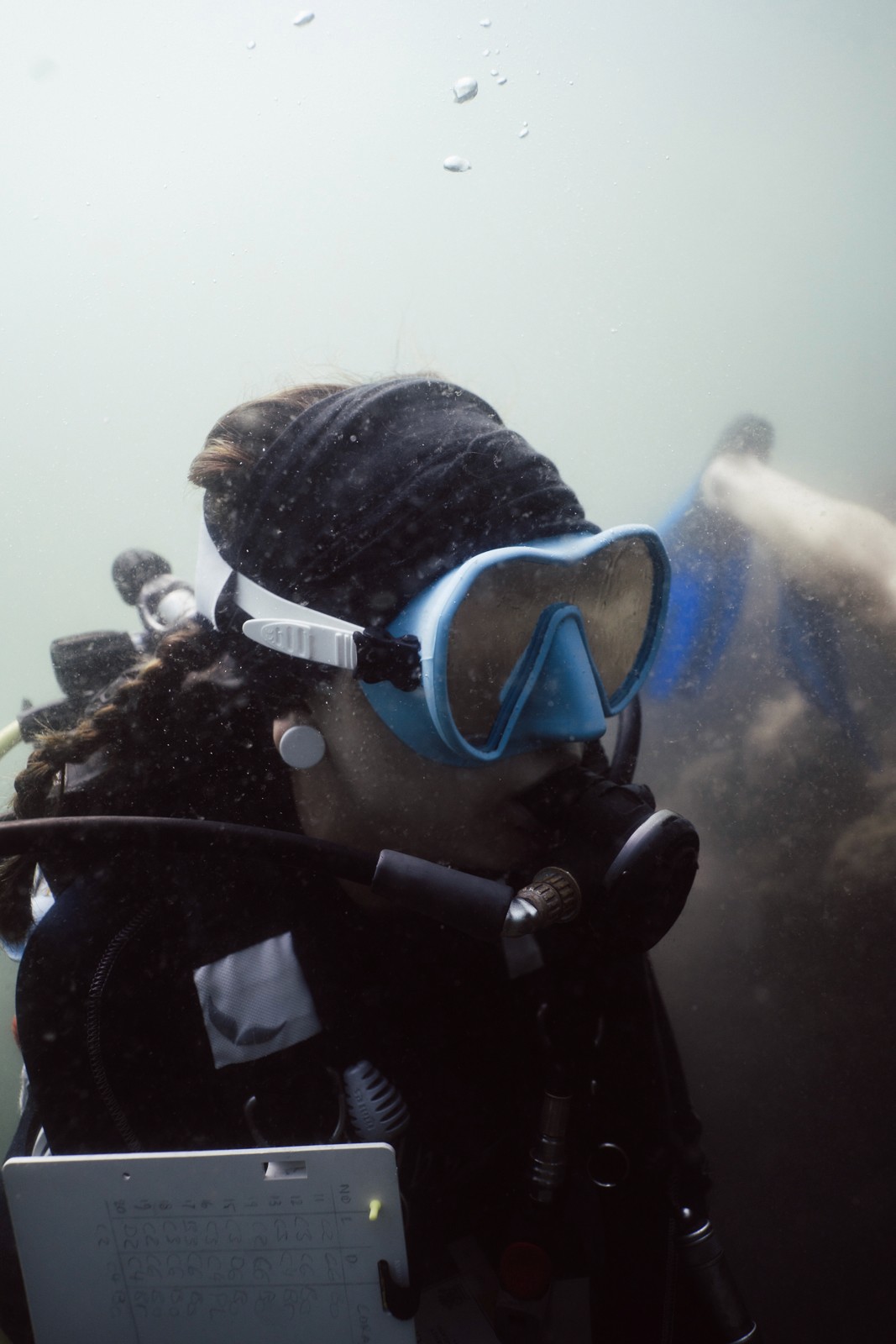
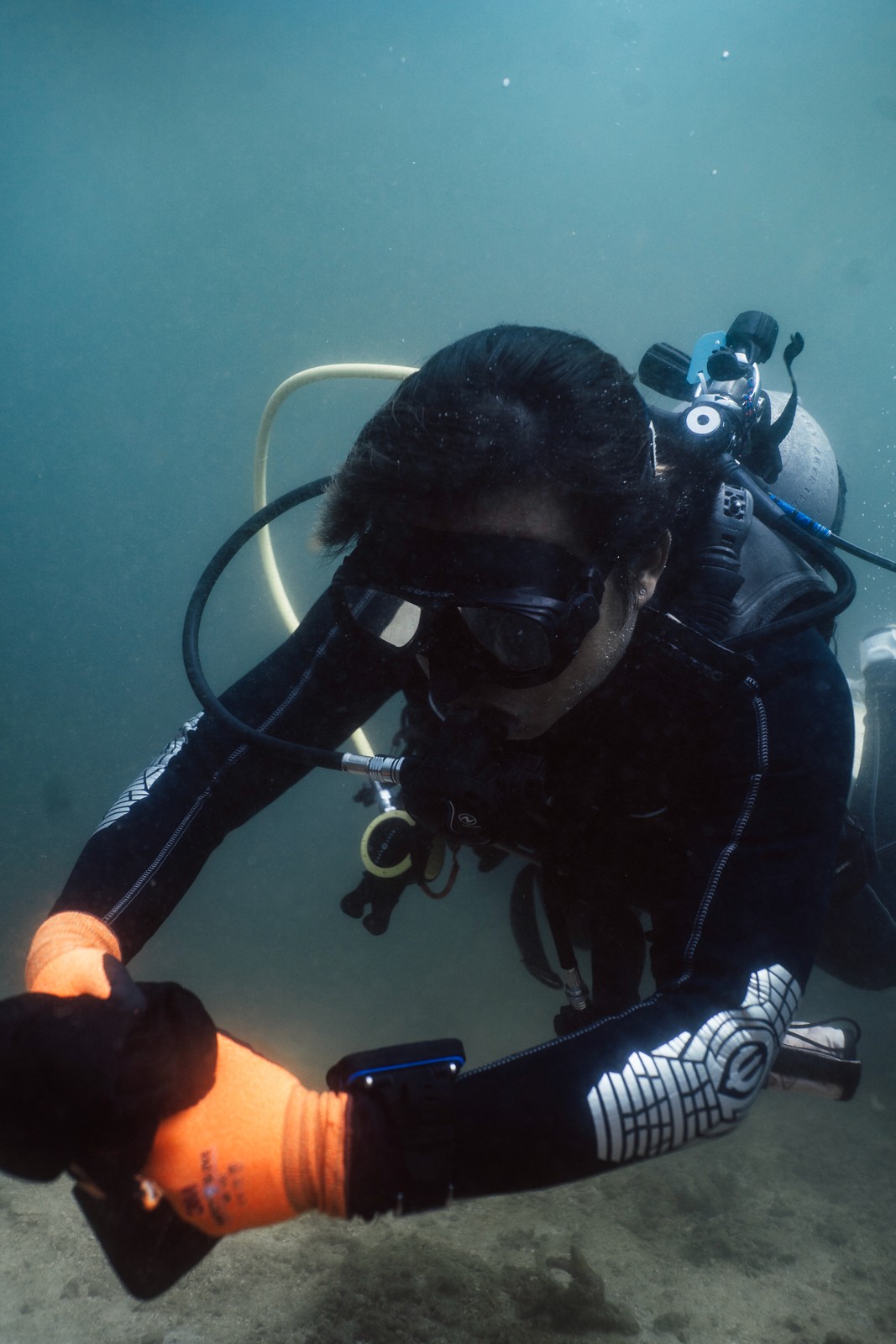
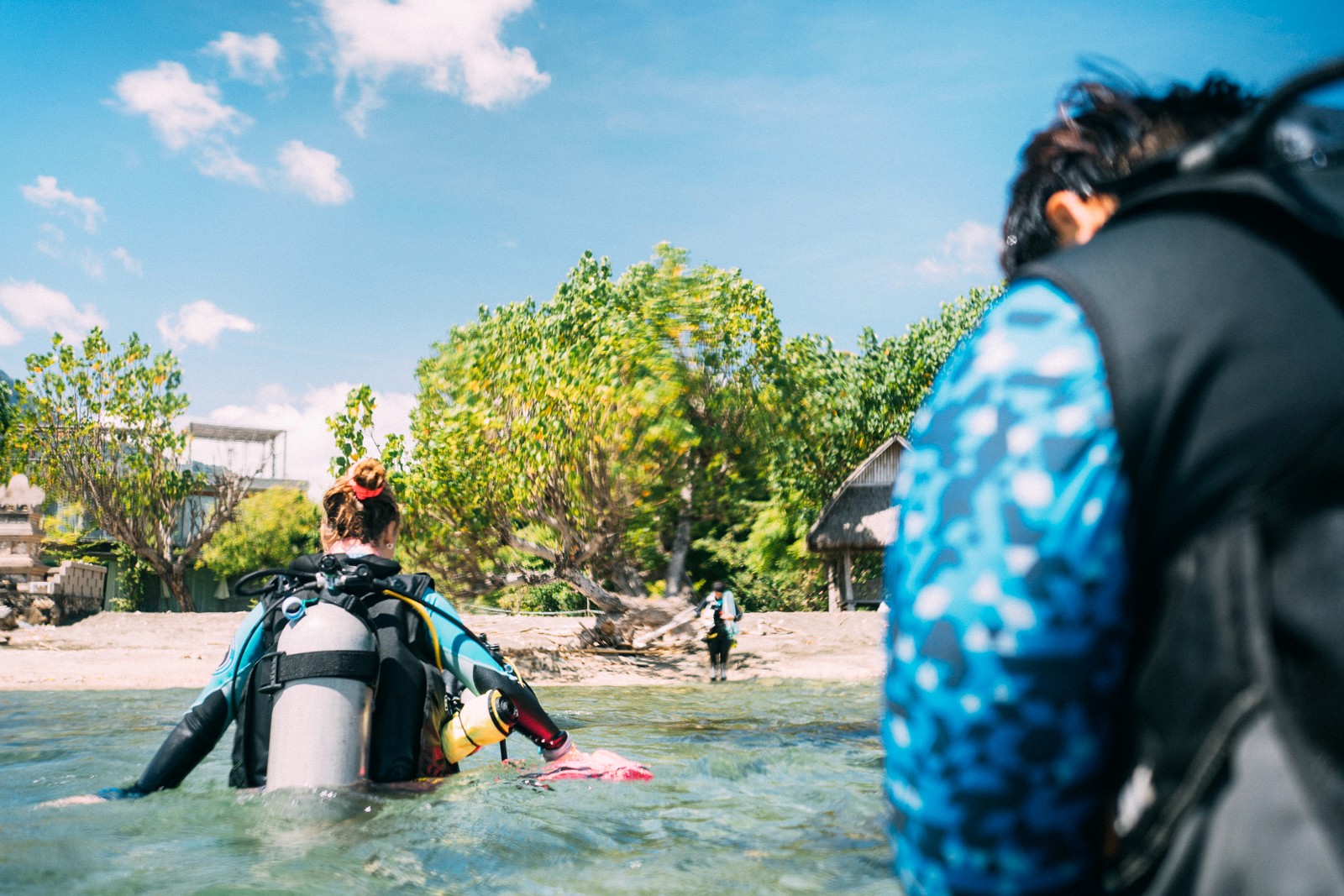
We walk into the water slowly. No rush, only excitement. BCDs deflate. We sink into the shallows. The visibility is muddier than anyone hoped. But below the surface, the reef is alive.
I found Abyss the way you find most things in Bali: through a WhatsApp group. Someone from the Bali Ocean Days conference. A few messages with Debby. An invitation to come by when I was in Pemuteran.
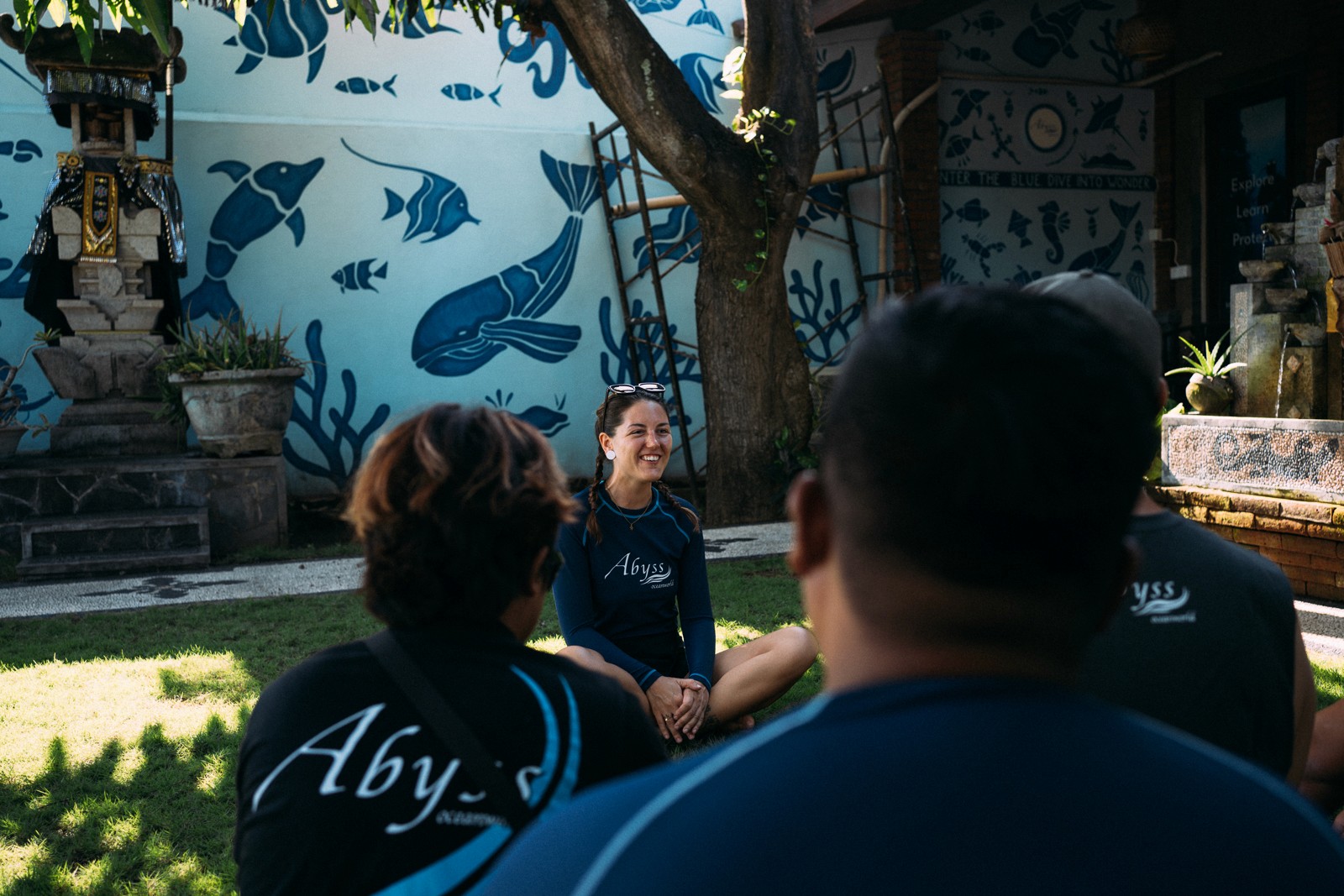
Abyss Ocean World is a PADI dive center on the northwest coast of Bali. It opened in 2015, founded and run by Daniel, and operates the way a family-run restaurant does: everyone knows everyone, guests become friends, the line between work and life is blurred in the best way. They are Gold-level Green Fins members, one of the highest sustainability ratings a dive operator can hold, and they run a conservation programme they call Go Blue. They are a dive business that decided the reef was not optional.
But they are not an NGO. They are the first to say so.
The first time I visit, there is no recording, no camera. Just a coffee at the dive center on a hot afternoon. I take the scooter over and arrive sweating. Everyone is smiling. The place feels immediately like somewhere you could stay for a long time.
Debby sits me down and does something I do not expect: she interviews me. Why did I choose them? What am I looking for? It surprises me at first. Then I understand. She is protecting her team. She wants to know what this is before she opens the door.
We talk. It becomes clear, quickly, that we both arrived at the ocean from the same place. She worked twelve years in social services in Switzerland. I worked in business in Spain. Neither of us had a marine biology degree. Both of us left because we wanted to do something that mattered. She went to the Caribbean, did her dive master and conservation course, saw a job posting at Abyss, and did not hesitate.
"All I can bring is passion," she tells me later, when we are recording. "And sometimes that's the most important thing."
I come back on a Wednesday with my recording device and a list of questions I have shared with the team in advance. I am late because my scooter ran out of fuel and the screen was too broken to show it. I arrive nervous, European instinct telling me I should have been on time, but there is no rush here. A hug, some laughs, and we start talking.
Debby's interview is sharp and honest. She explains that the coral planting project they ran with CRC ended two years ago. They have the skills to plant again. They have done it, and they could do it tomorrow. But they have chosen not to, and the reasoning is more interesting than the planting ever was.
Before you put a coral fragment on a reef, Debby says, you need to understand what is already there. Which species thrive, which struggle, whether the reef even needs that kind of intervention. How will new corals survive if the waste is still being dumped? Should we not first stop the pollution, teach the divers, protect what already grows? These are the questions they sit with, and choosing to stay with the questions rather than rush to the visible, photogenic act of planting is, quietly, a more radical position than it sounds.
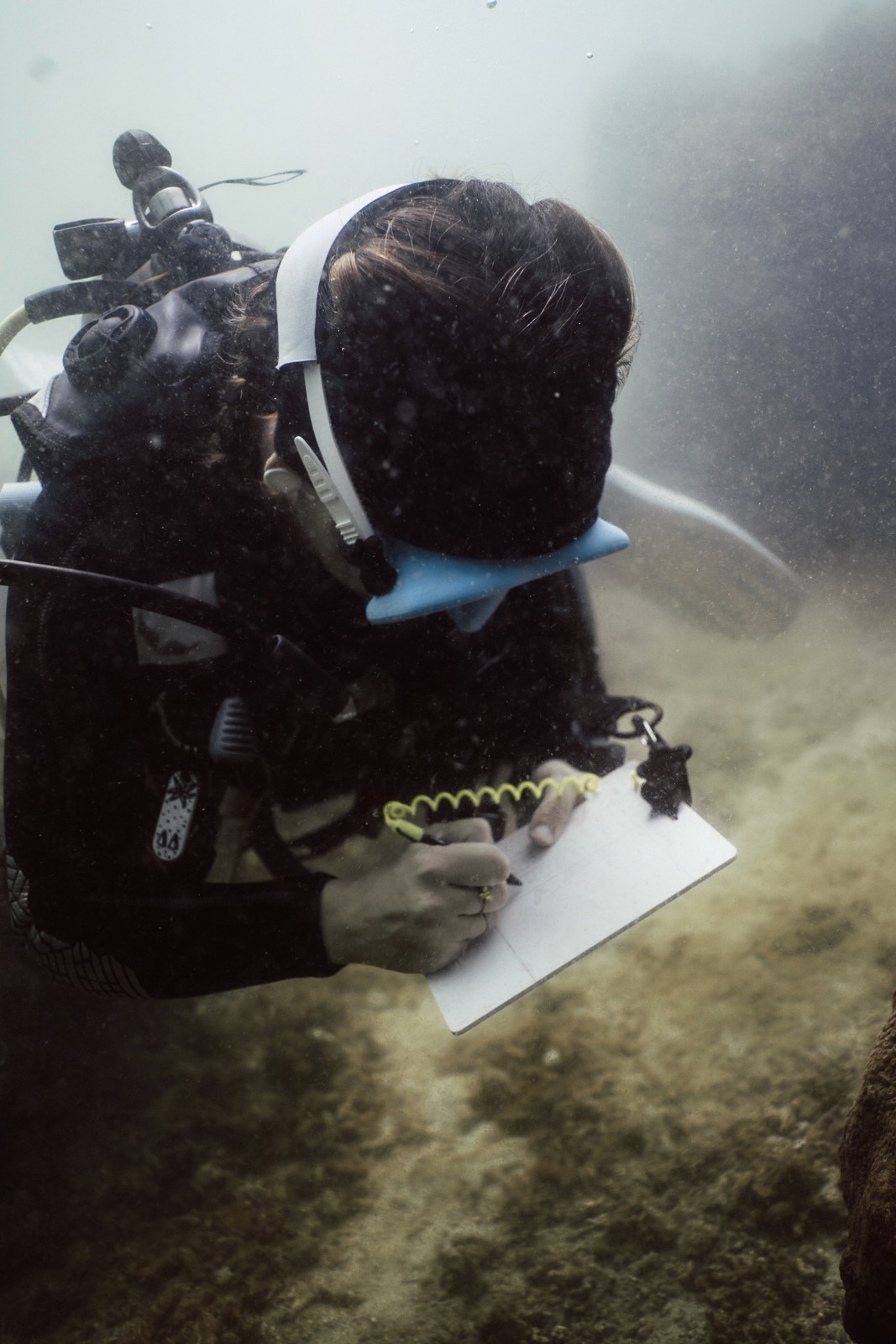
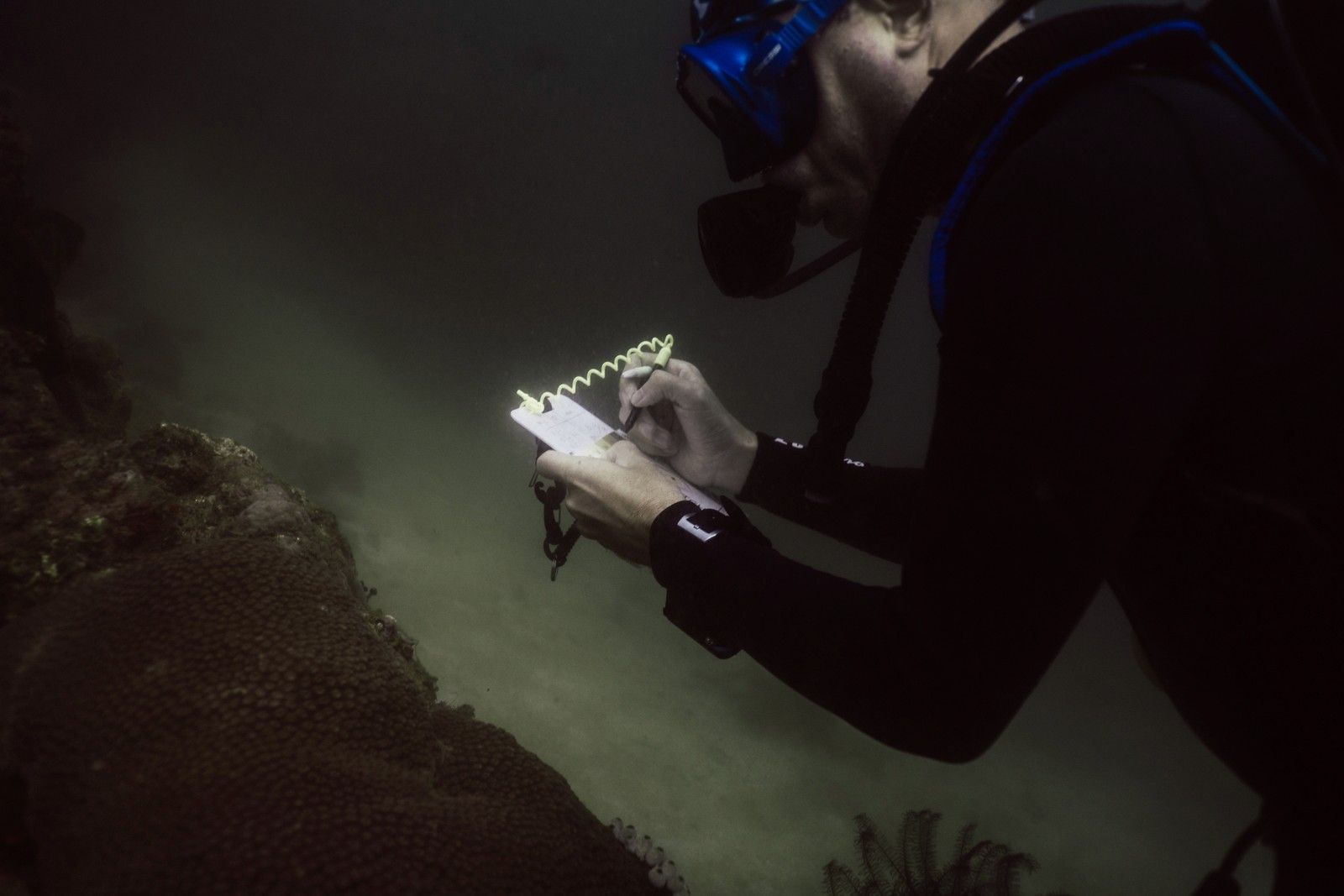
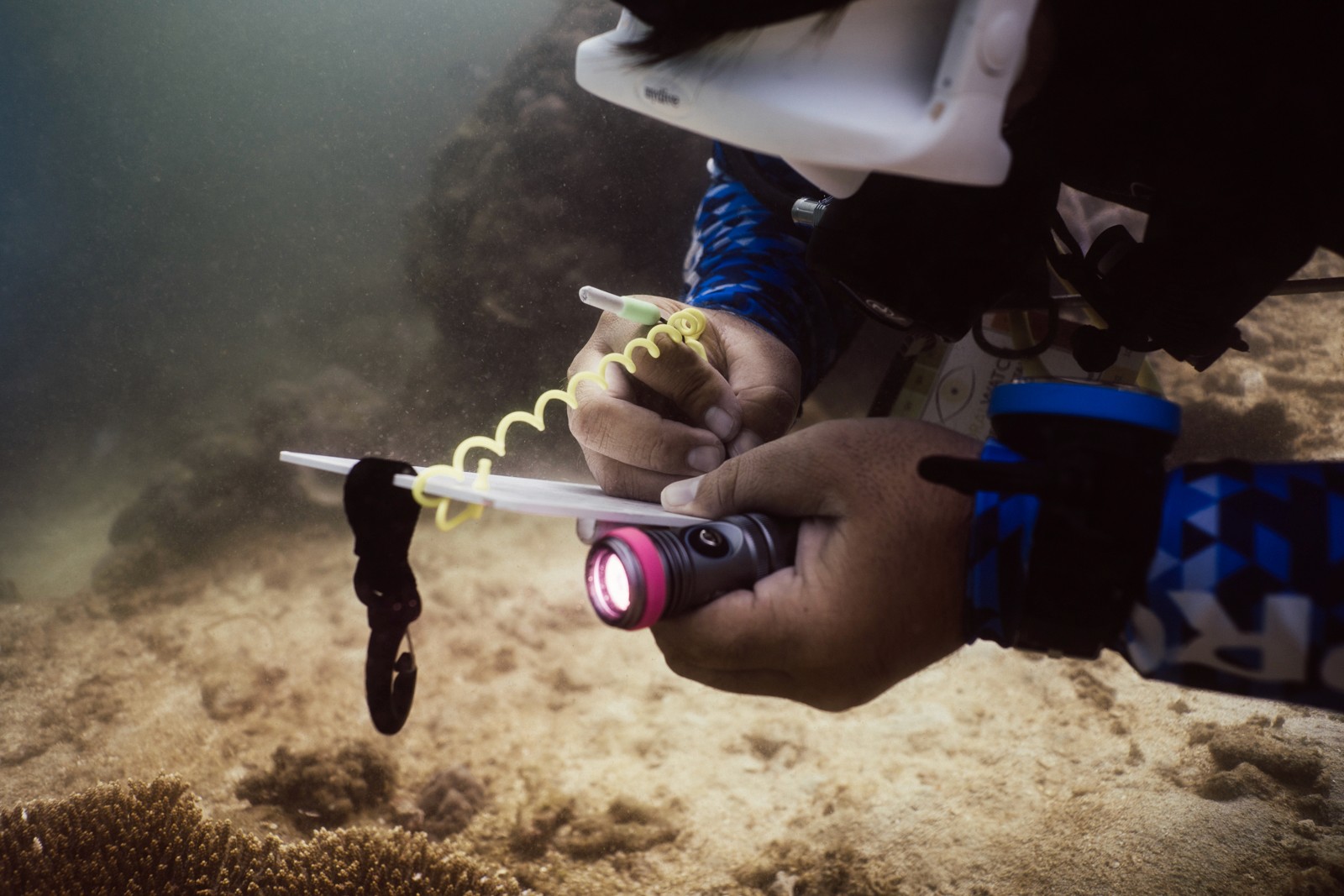
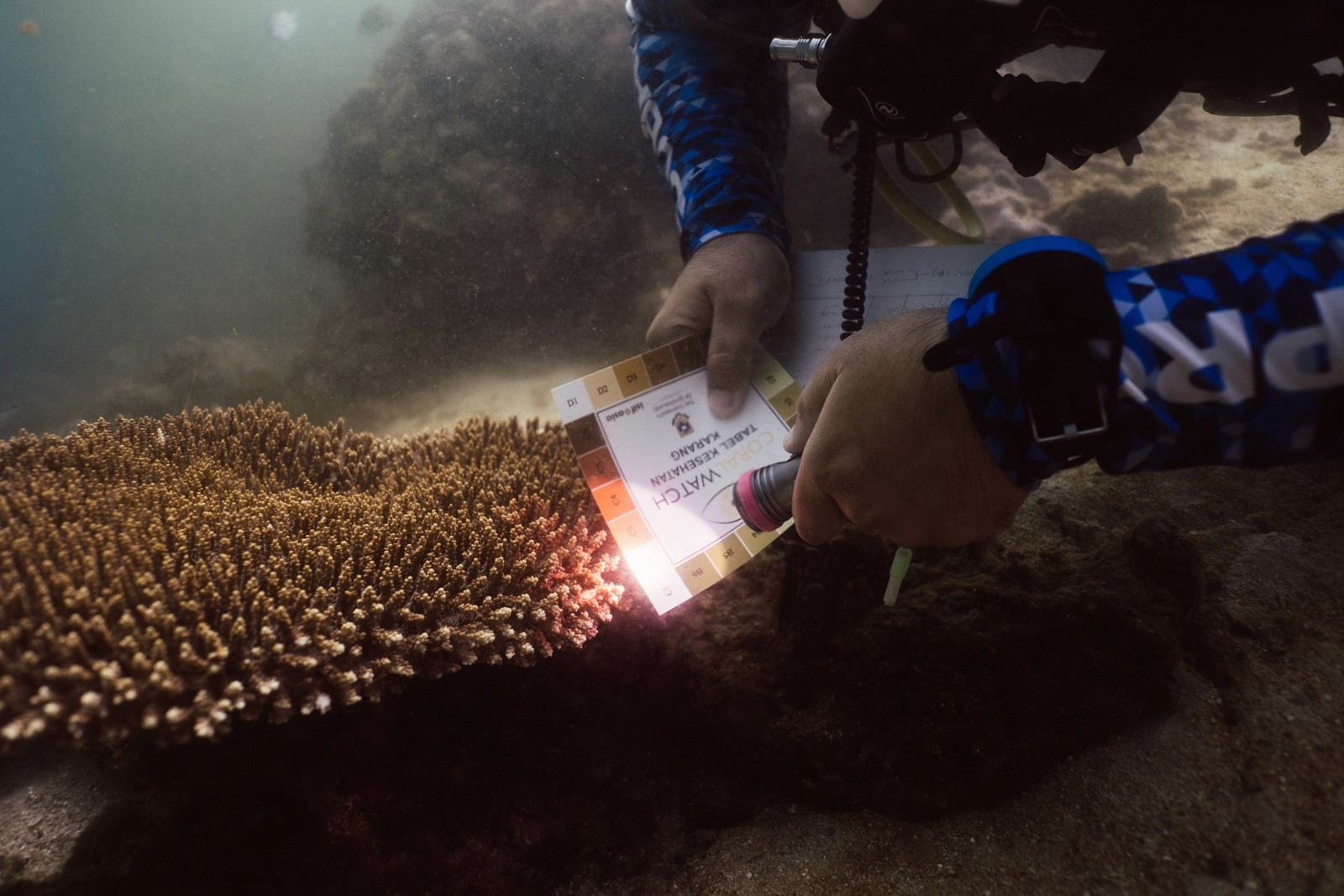
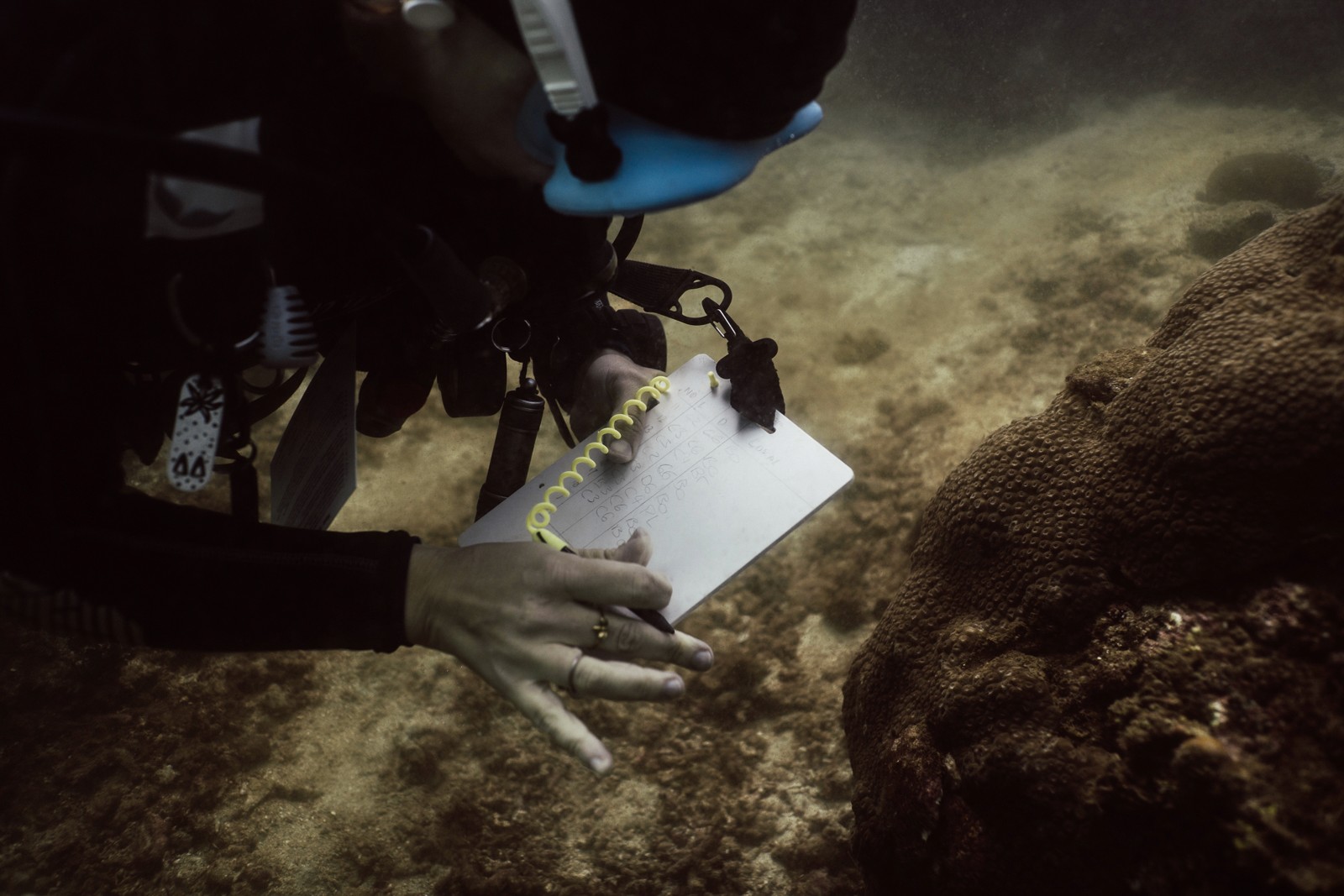
What they are doing instead is monitoring. Every week, the team goes to Milos Garden with colour charts from Coral Watch, a citizen science programme run by the University of Queensland, and measures the health of twenty coral colonies. They log the data, look for early signs of bleaching, track changes over time. In April, a Reef Check trainer is coming to teach five of the team how to do full reef health surveys. It is methodical, unglamorous work. It is also exactly what most reef restoration projects in Indonesia skip.
After Debby, I sit with the local team. Kadek, a dive guide from Pemuteran who started at Abyss three years ago and learned everything from zero. He went to the ocean every day after school as a kid. His mother is afraid of the sea. His friends, he says, about half understand what he does. The other half do not.
Then Ari. Born in Pemuteran. Grew up on this beach. His father was a dive instructor. His family wanted him to work on land, so he took a job at a bank. He lasted two years.
"This is not my life," he says. "My life is close in the ocean."
Daniel offered him a job. He started with his Open Water certification and is now a PADI instructor. His office, he says (in his English shaped by Bahasa in ways that make it more direct, not less) is outside. It makes him smile every morning.
And then he says the thing that stops me:
"Before I was thinking coral is stone. But now I understand coral is the animal. That's why I want to take care."
Somewhere in that sentence is the whole story. A young man from a fishing village who stepped on coral his whole childhood because he thought it was rock. Who now spends his days monitoring its health, teaching tourists not to touch it, watching polyp tentacles move and marvelling that this thing beneath him is alive. That shift, from stepping on it to taking care of it, is what conservation looks like when it works.
Pemuteran has no single hero. BioRock has maintained its artificial reef structures here for decades. Multiple dive centres collaborate on clean-ups and monitoring. The bay is, on paper, a marine protected area, though Debby says there are no rules to enforce, no framework in place, and most people in the village do not even know the MPA exists. Conservation here is a patchwork of good intentions, limited resources, and people who keep showing up.
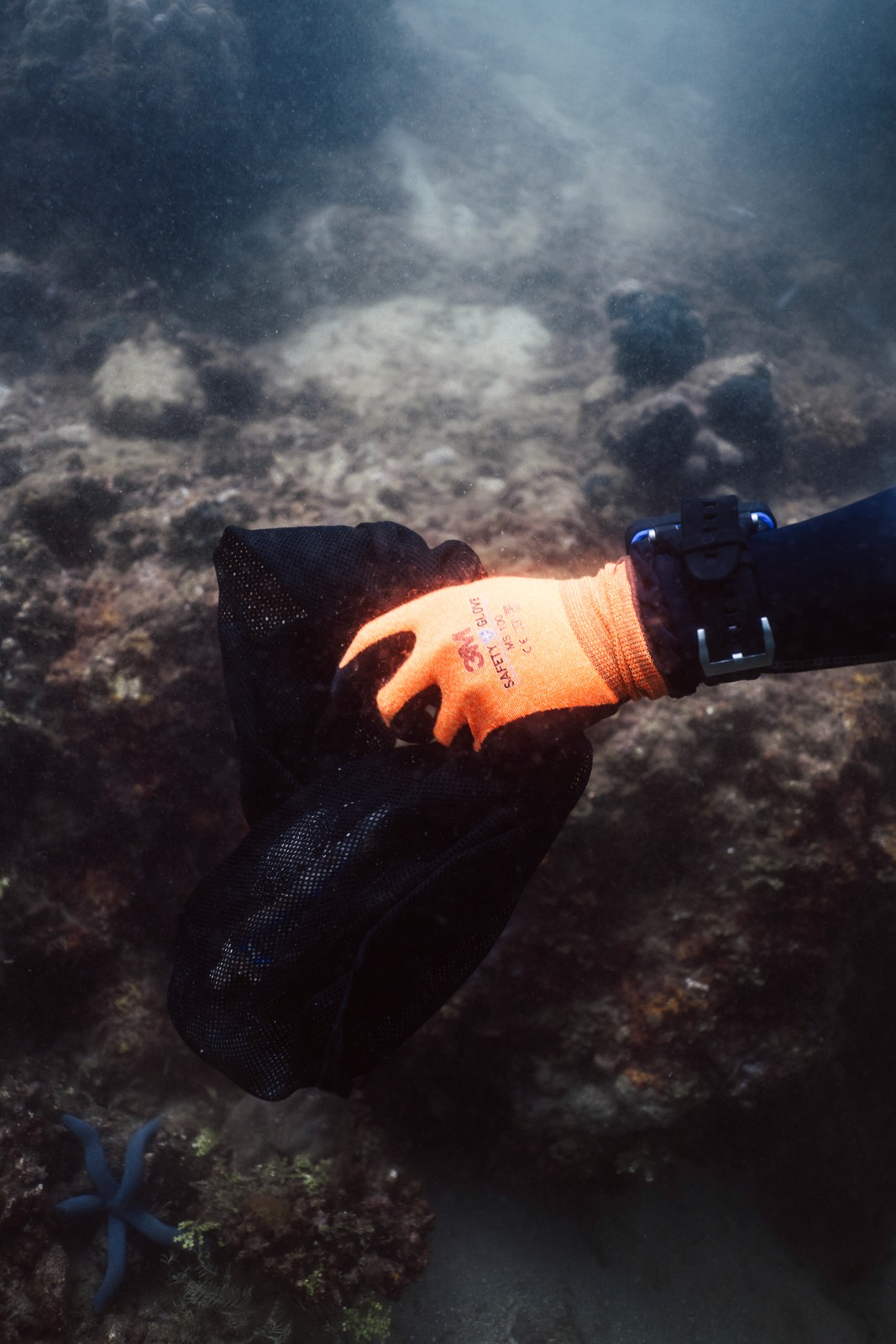
Abyss is part of that patchwork. They run Dive Against Debris clean-ups, pulling plastic bags and food wrappers from the reef and logging data with PADI AWARE. They teach Green Fins practices to every guest. And every week, someone on the team, even in the busiest tourist season, goes to Milos Garden.
"We are at the end still a dive center, not an NGO," Debby says. "Our main work is not conservation. Unfortunately, our main work is getting guests to go diving with us."
That honesty is what makes this place different. They do not pretend to have all the answers. They do not claim to be saving the reef. They are a team of young people who love the ocean and have decided, deliberately, that understanding it comes before intervening. They have planted coral before. They know how. But they also know that planting without monitoring, without addressing pollution, without changing how people treat the water, is not conservation. It is performance.
Sometimes the hardest thing in conservation is choosing not to act. Sometimes it means just showing up, colour chart in hand, and paying attention.
The IPCC says reef restoration alone cannot protect coral beyond 2030 without drastic emissions cuts. Indonesia's reefs, more than 85% of which are under threat, need interventions at a scale that no single dive center can provide. Ari and Kadek and Debby know this, even if they would not phrase it that way. What they also know is that doing nothing is not an option. Not here. Not when the entire economy of their village runs through the water.
"If Pemuteran has no ocean," Kadek says quietly, "it's nothing."
Ari puts it differently.
"If we save together, this village will be more fantastic."
He was smiling when he said it. The kind of smile that belongs to someone who found the thing they were supposed to be doing.
Abyss Ocean World is a PADI dive center in Pemuteran, Northwest Bali. To learn more about their conservation work or plan a visit: abyssoceanworld.com
More projects