Turtle Conservation
Location
Zanzibar, Tanzania
Year
2024
Conservation is not always perfect. It is often a patchwork of local knowledge, limited resources, and deep compassion.
I met Omar through the place where I was staying in Nungwi, in the north of Zanzibar. One afternoon, my host mentioned that Omar ran a sea turtle conservation project and that I could visit. They even said people could swim with the turtles. I got very excited but I hesitated. Leaving my excitement aside, I'm cautious about places that promote wildlife encounters. A center that claims to care for turtles but allows tourists to swim with them raised some red flags. I spent time researching, reading reviews, and trying to understand what was really happening. In the end, I decided to visit the center and see it for myself.
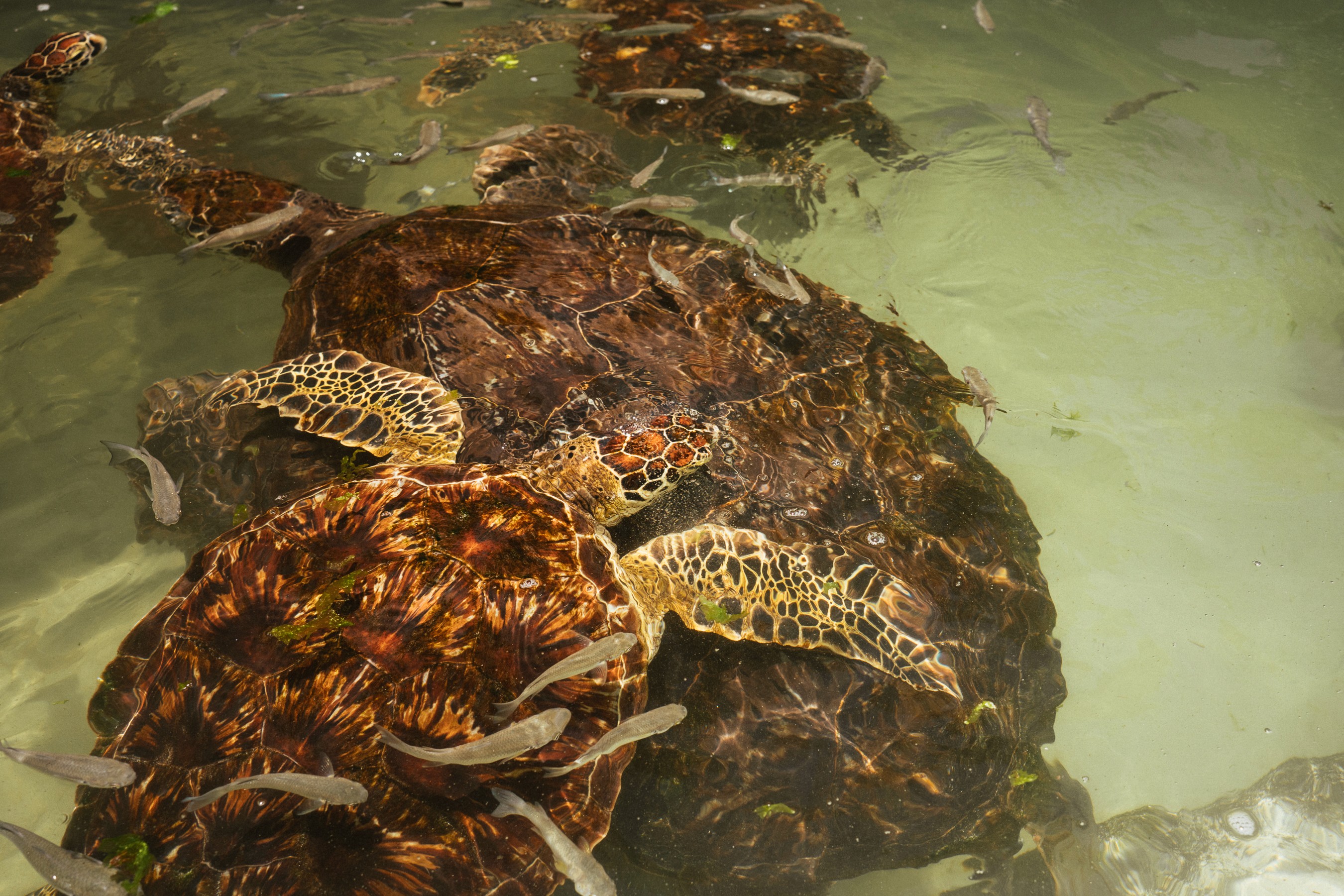
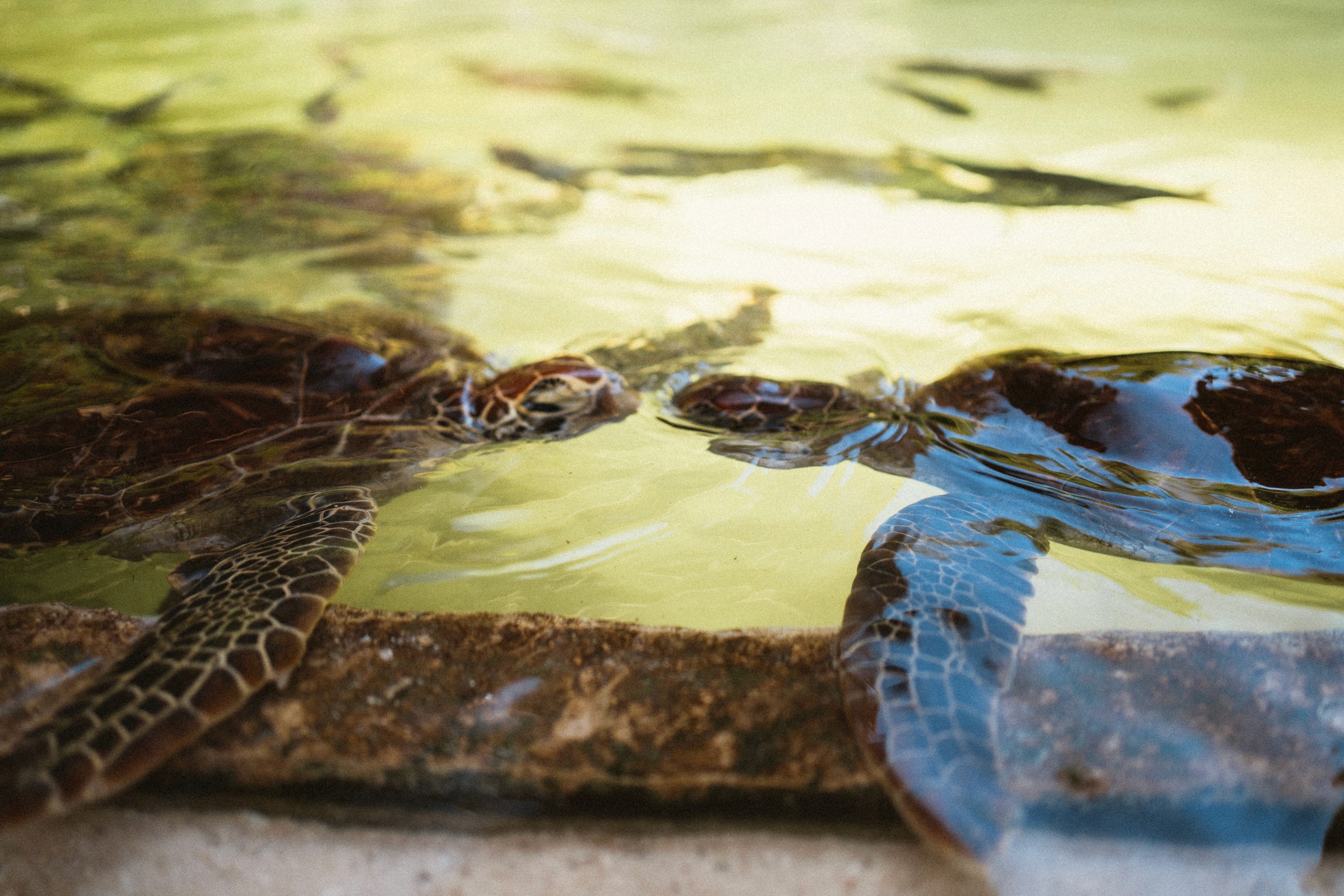
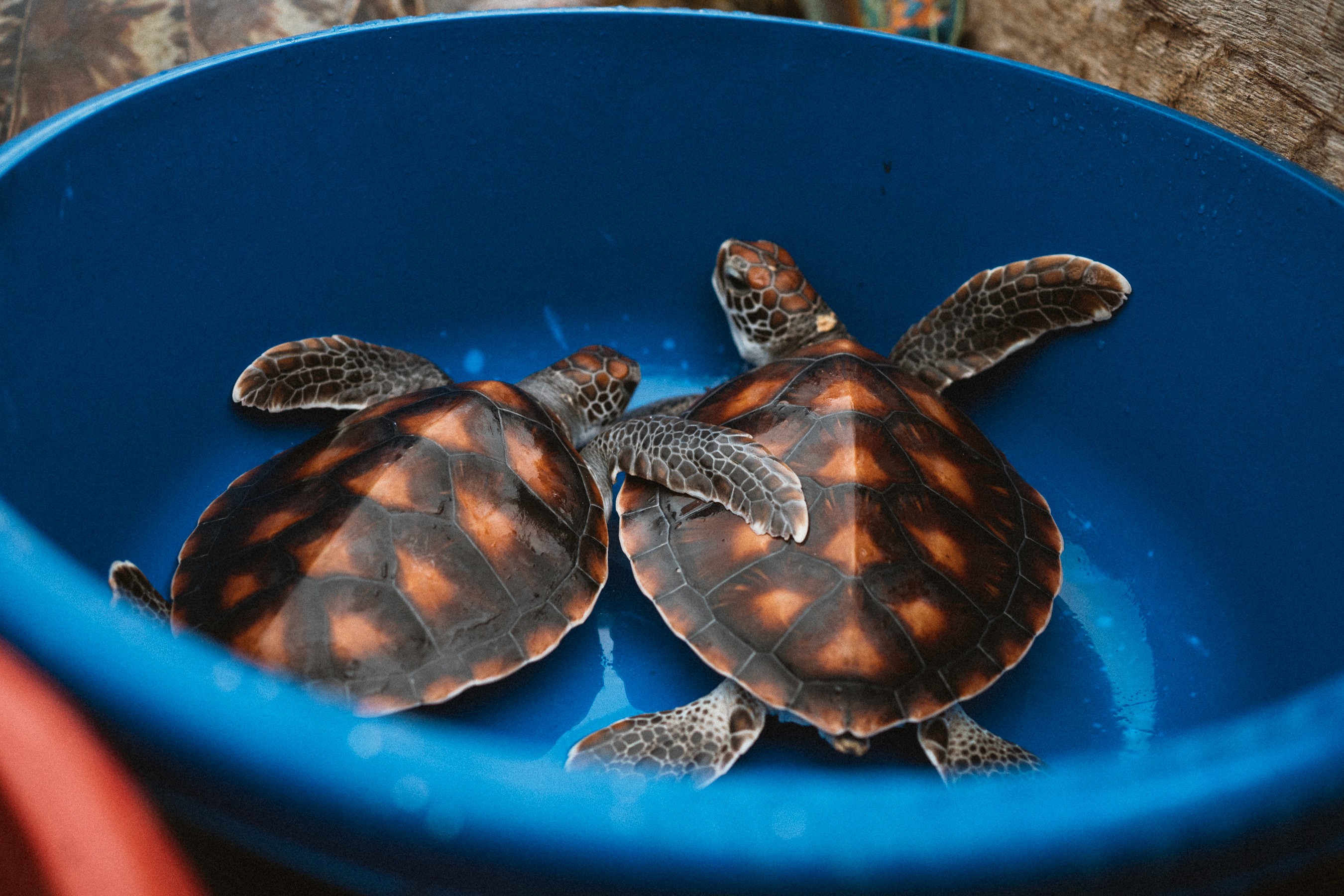
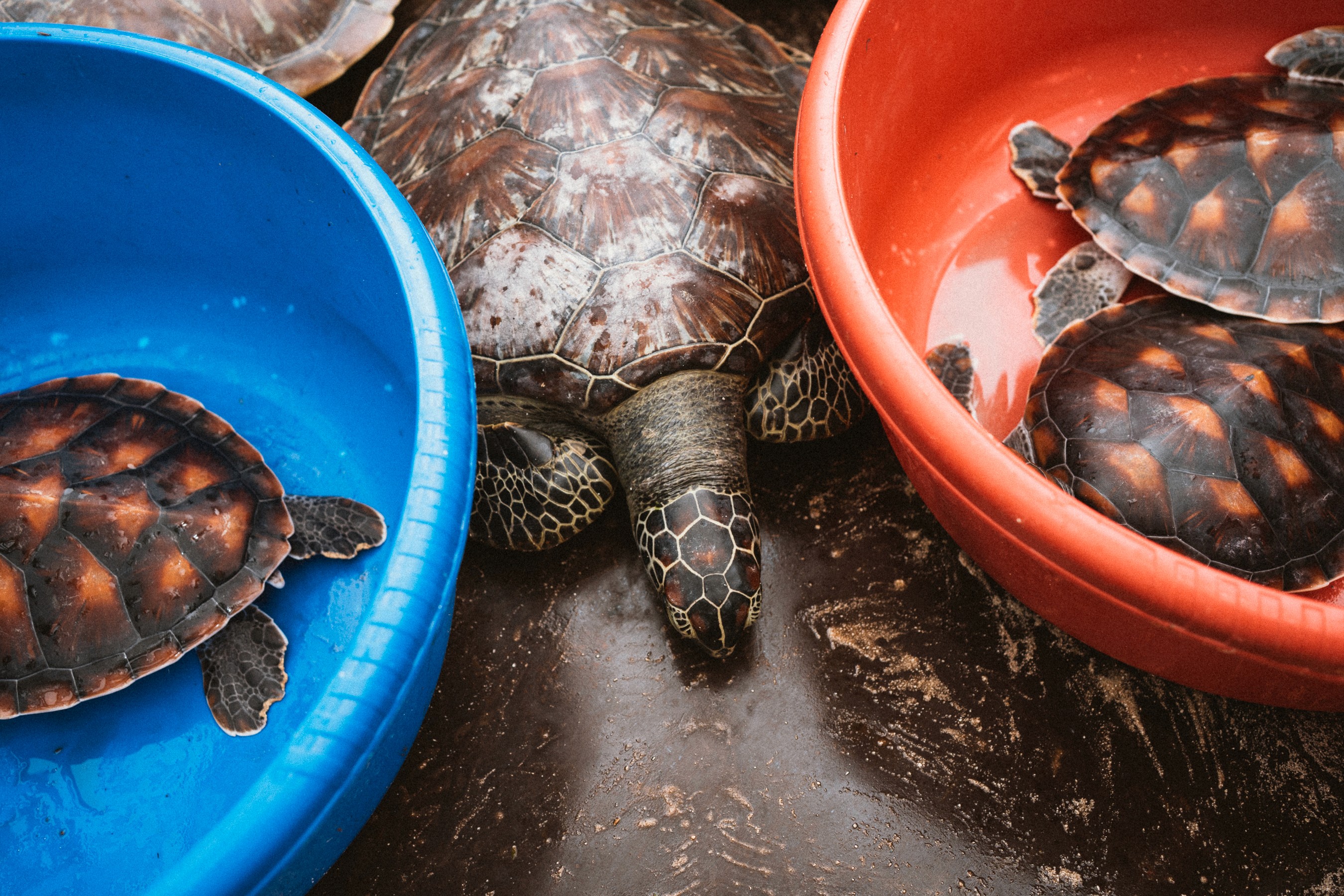
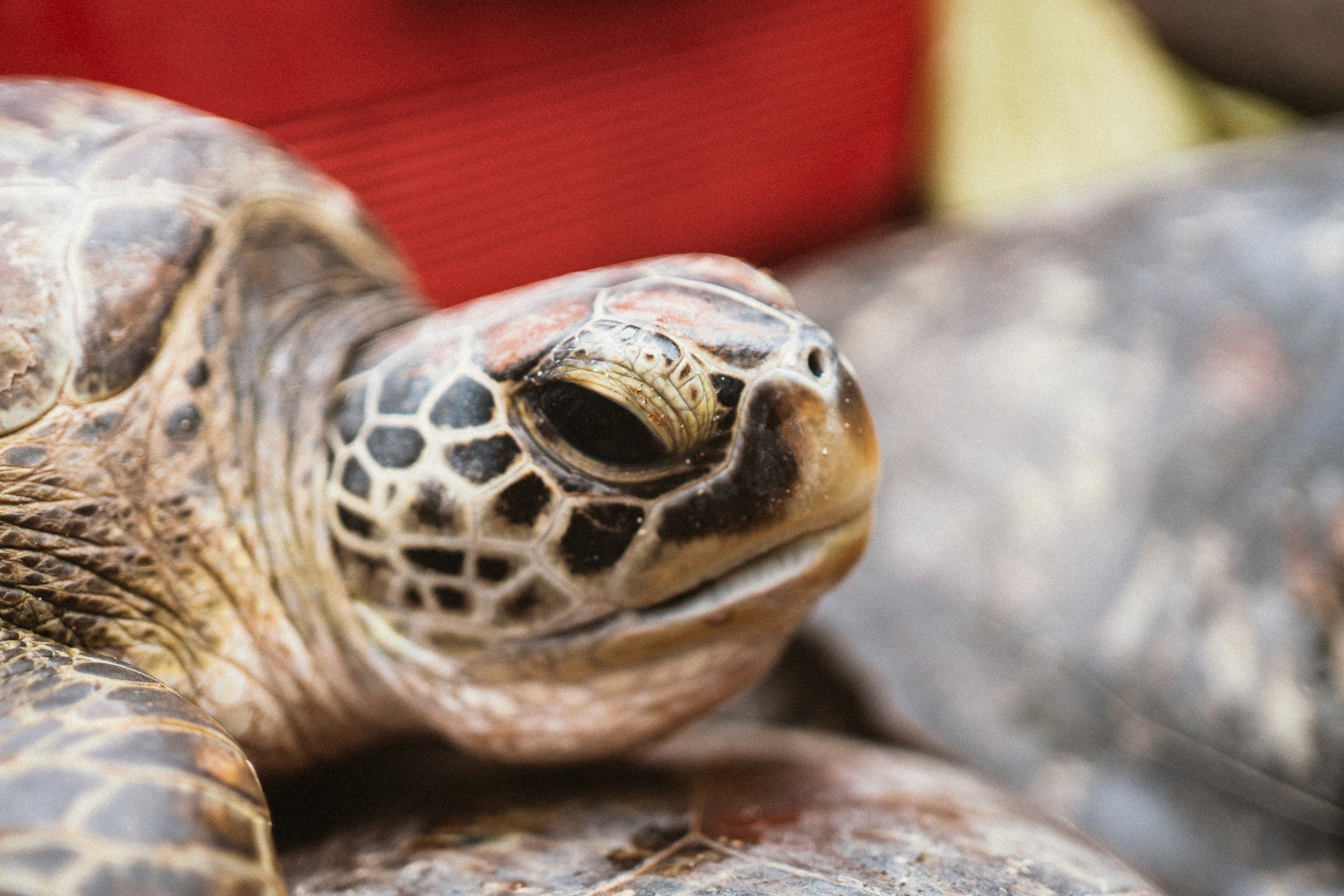
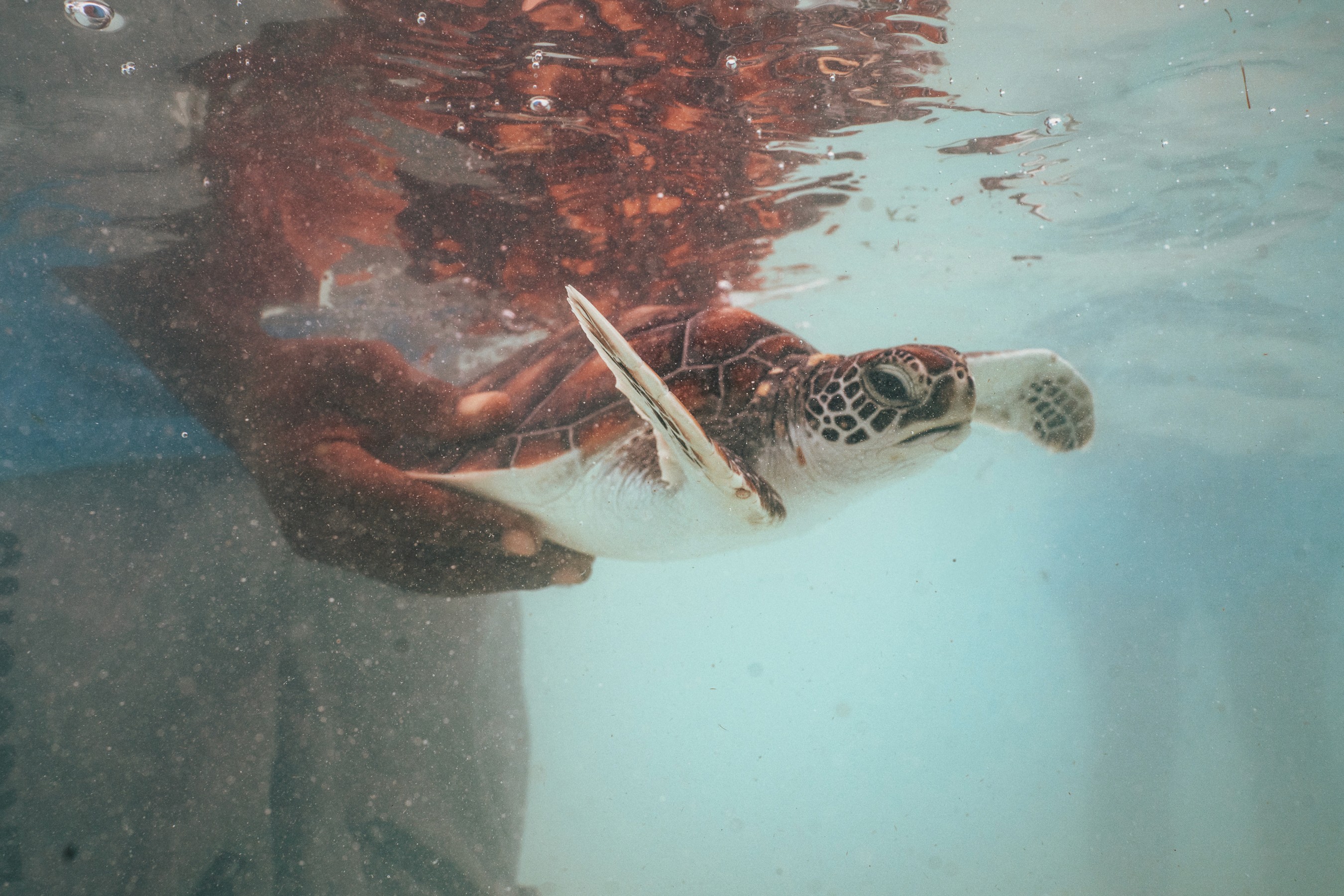
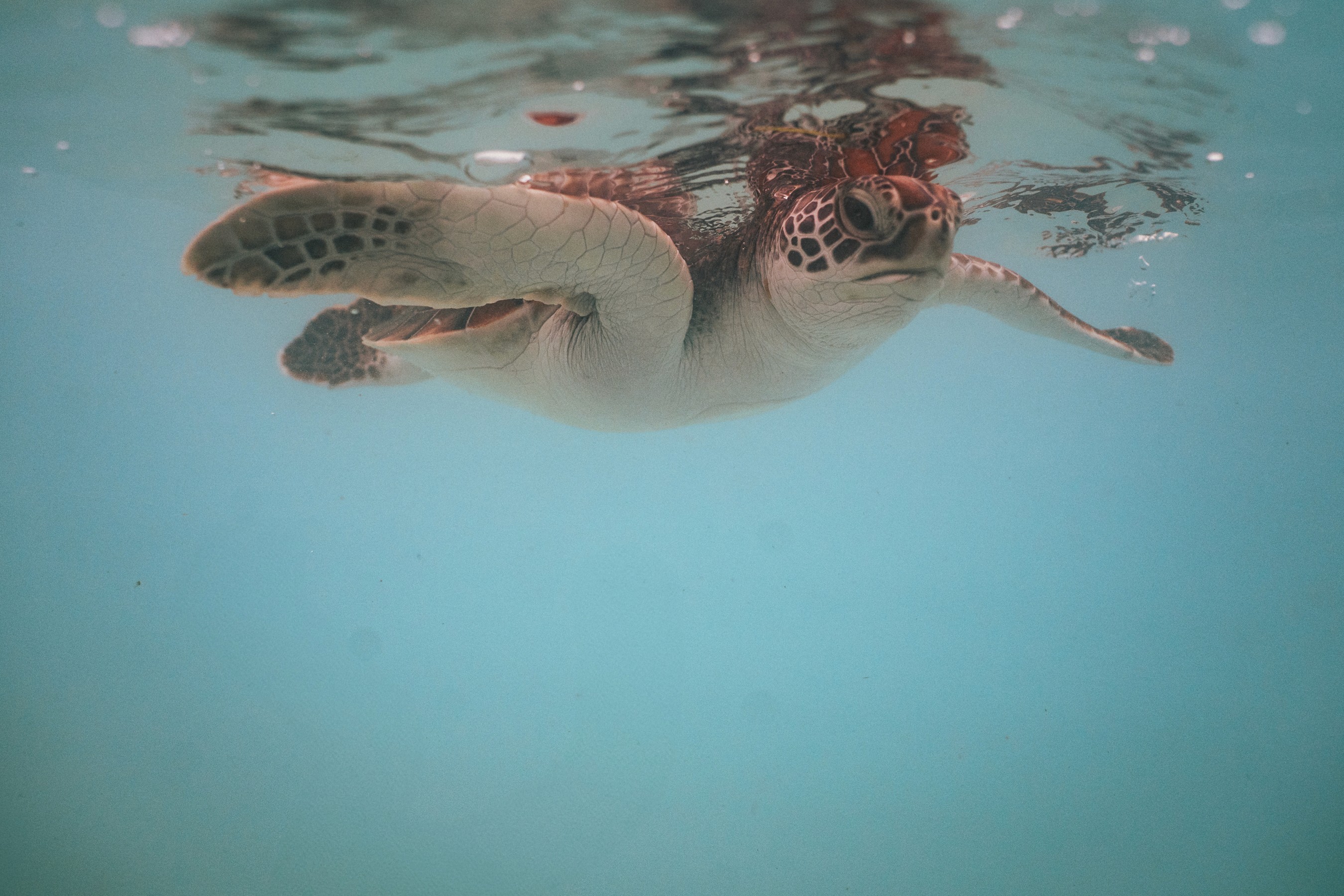
This wasn't a tourist trap, but a small NGO working to rescue and rehabilitate injured sea turtles. Many of the turtles had been caught in fishing nets, wounded by propellers, or entangled in plastic. The team cares for them until they are strong enough to be returned to the ocean.
Their work does not stop with the turtles. They also collaborate with local fishers, explaining why sea turtles are essential to marine ecosystems. They offer an alternative to illegal trade, paying the fishers significantly more than the black market would to hand over rescued turtles. A community-based solution that benefits everyone. Unlike many conservation organizations in more developed regions, this center relies heavily on tourism to stay afloat. They do not have access to major grants or stable funding and have had to find ways to fund their work while keeping their ethics intact.
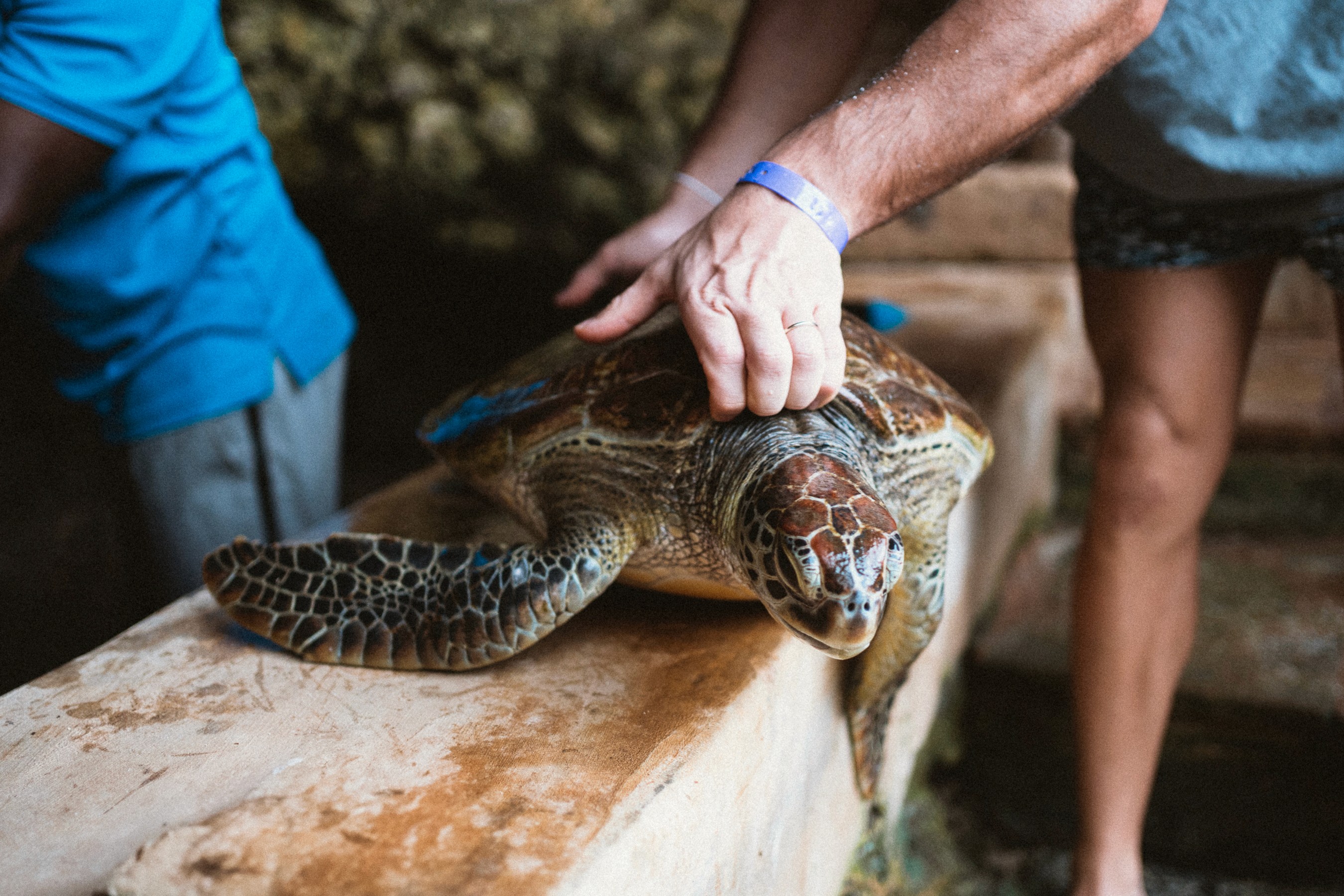
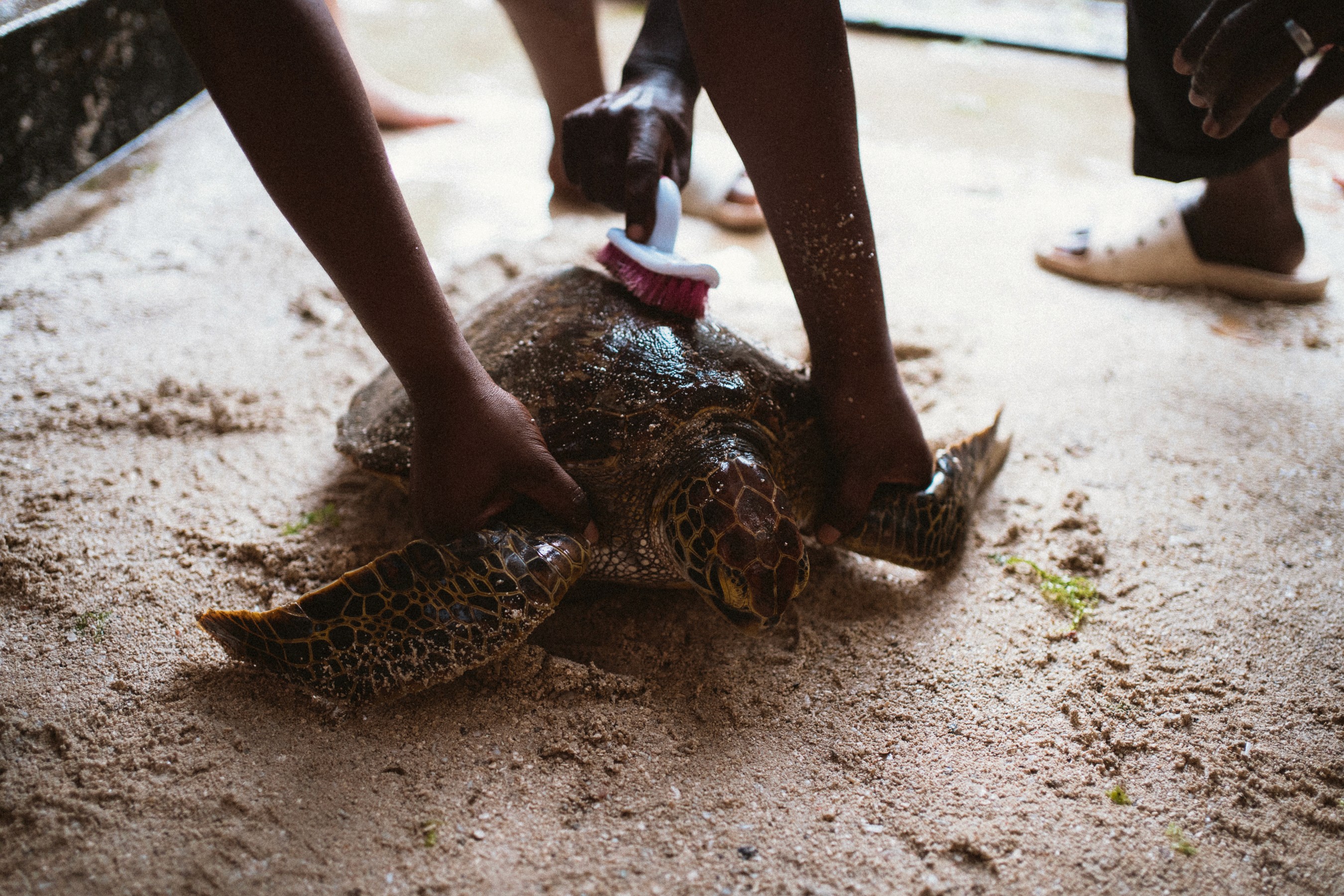
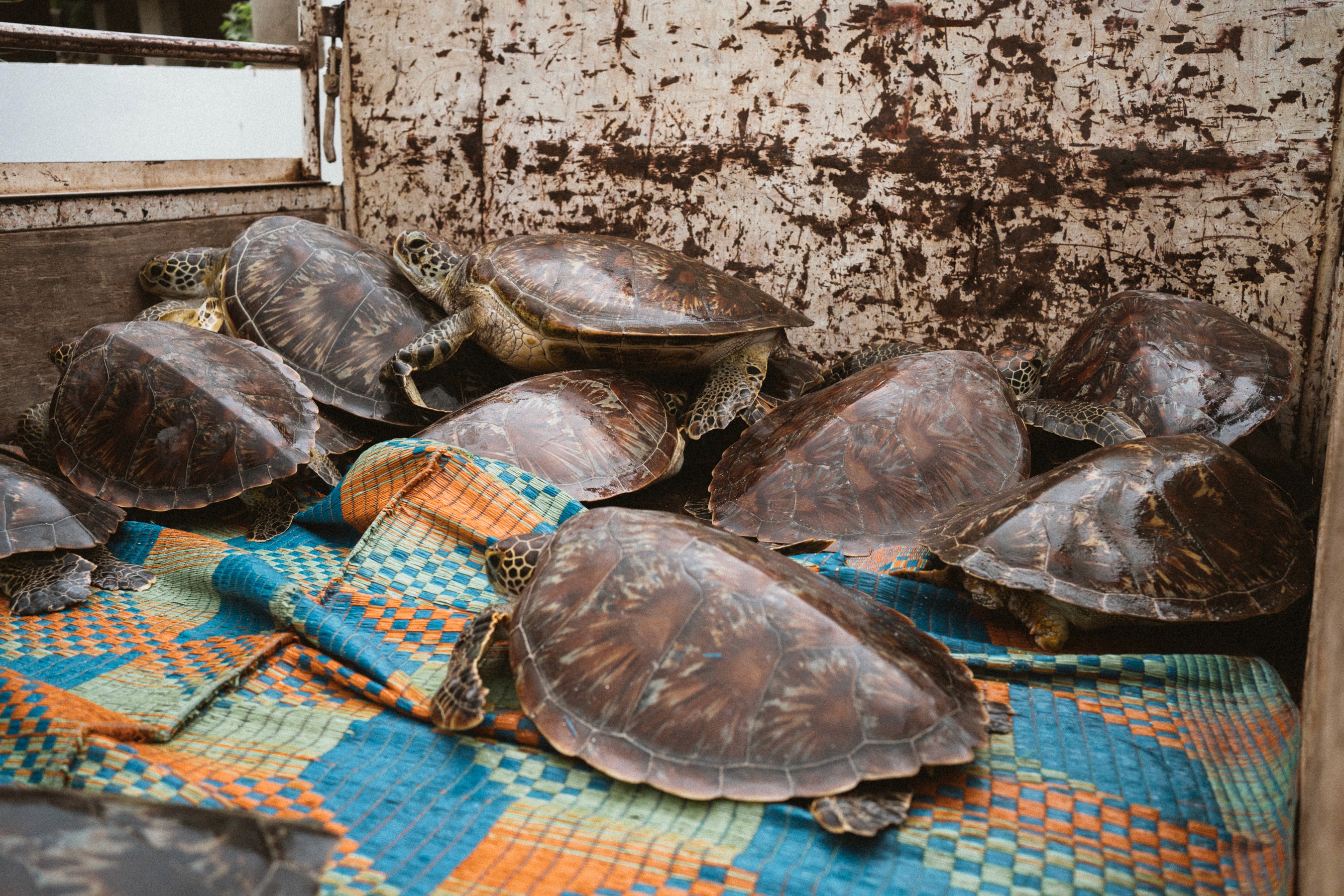
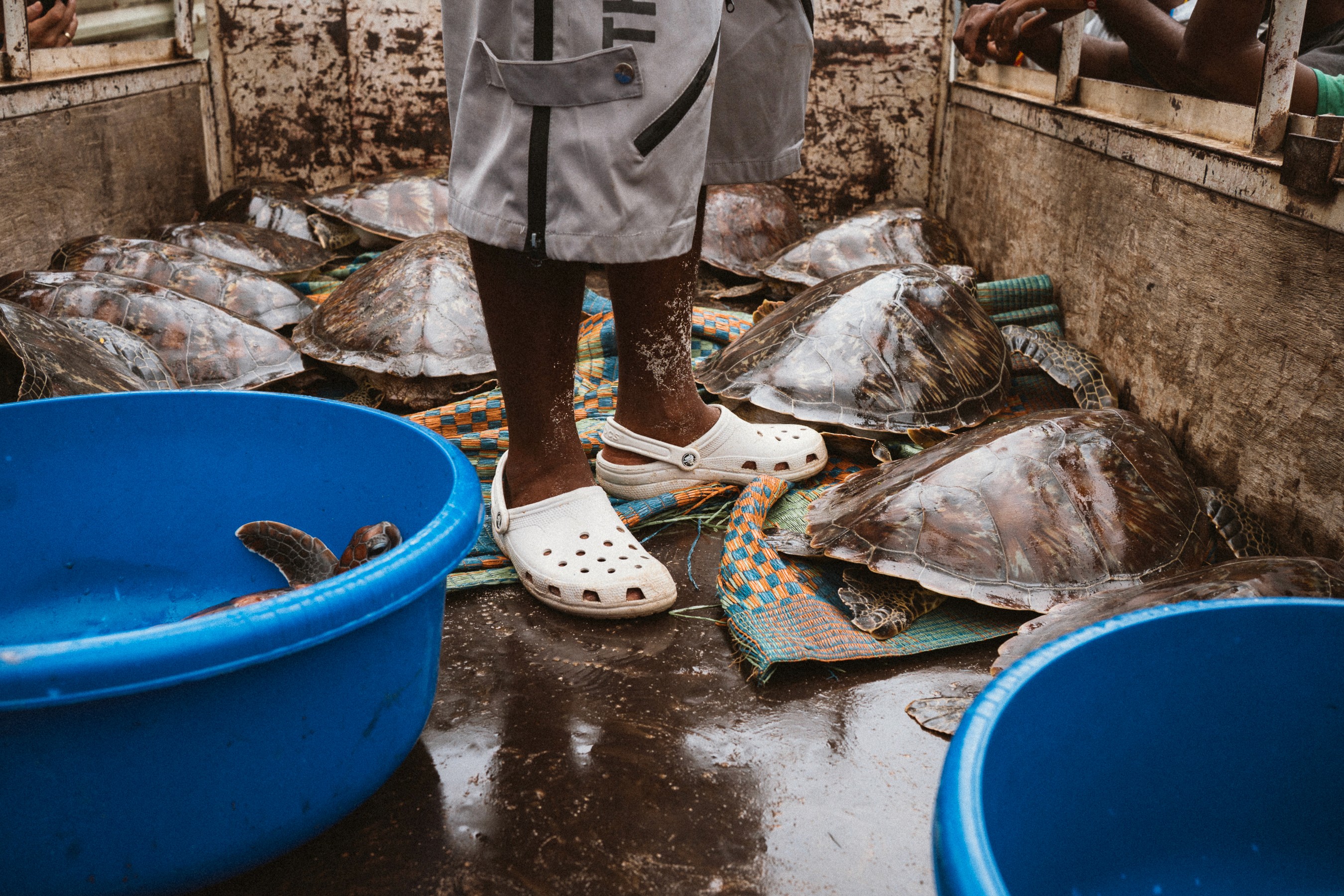
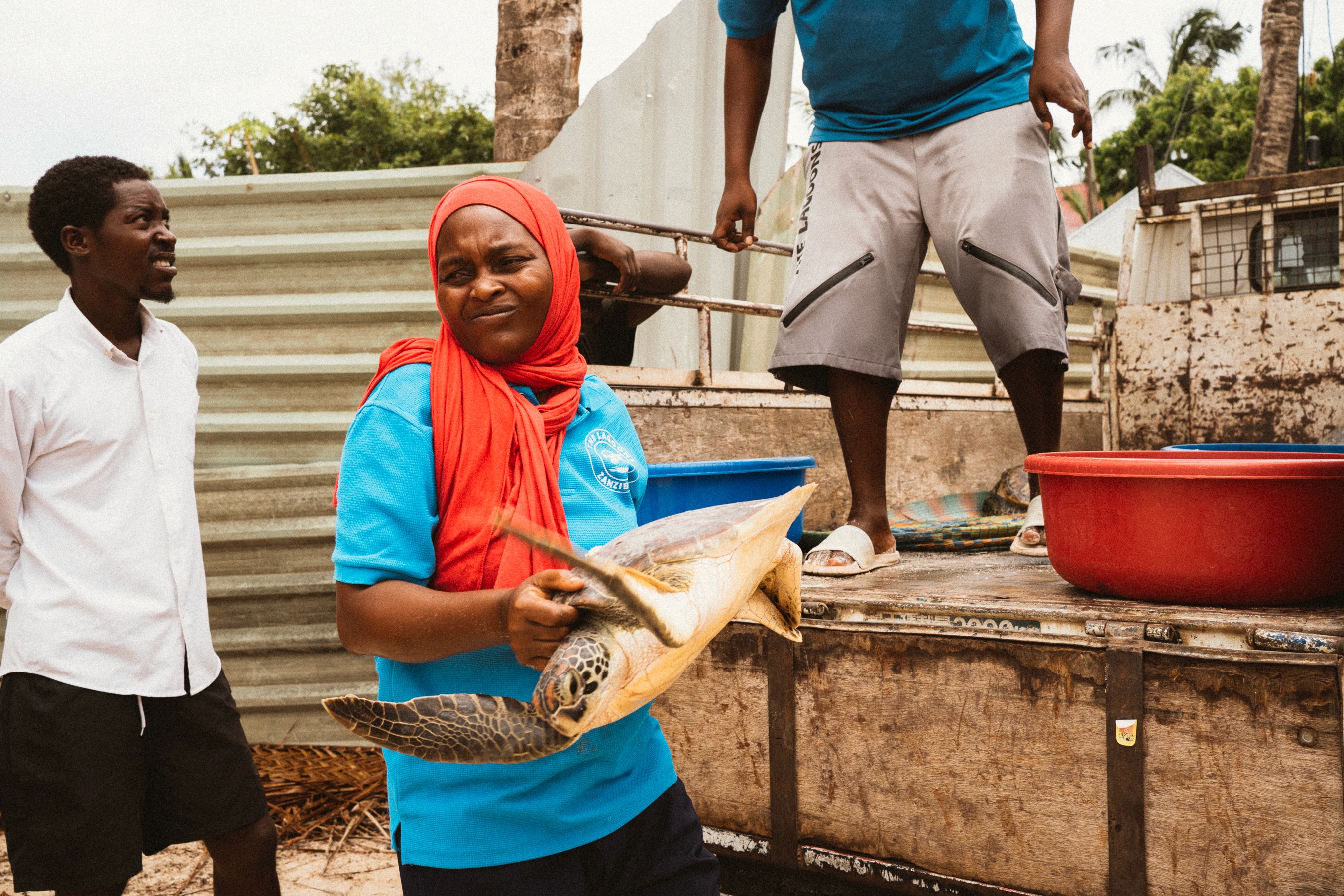
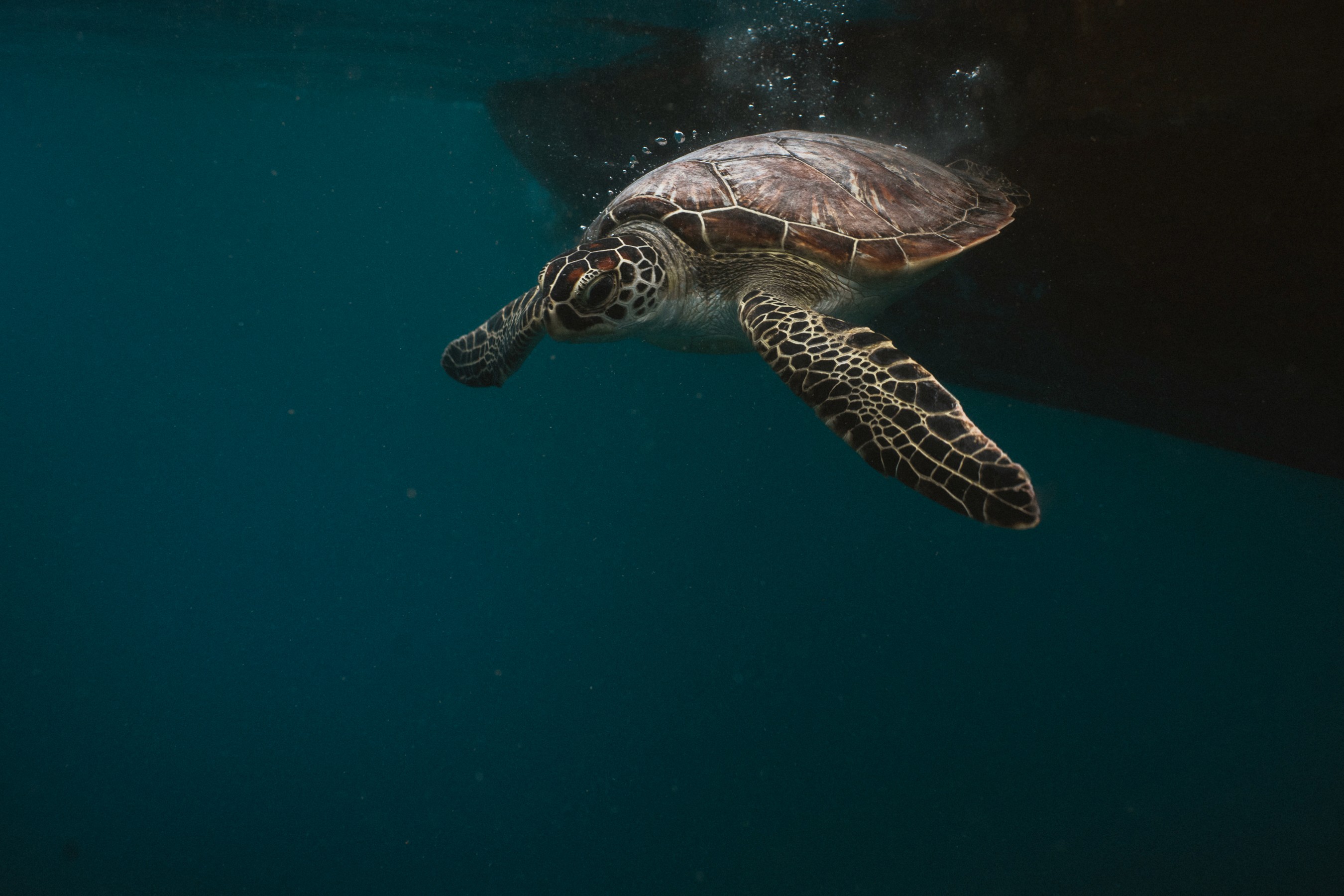
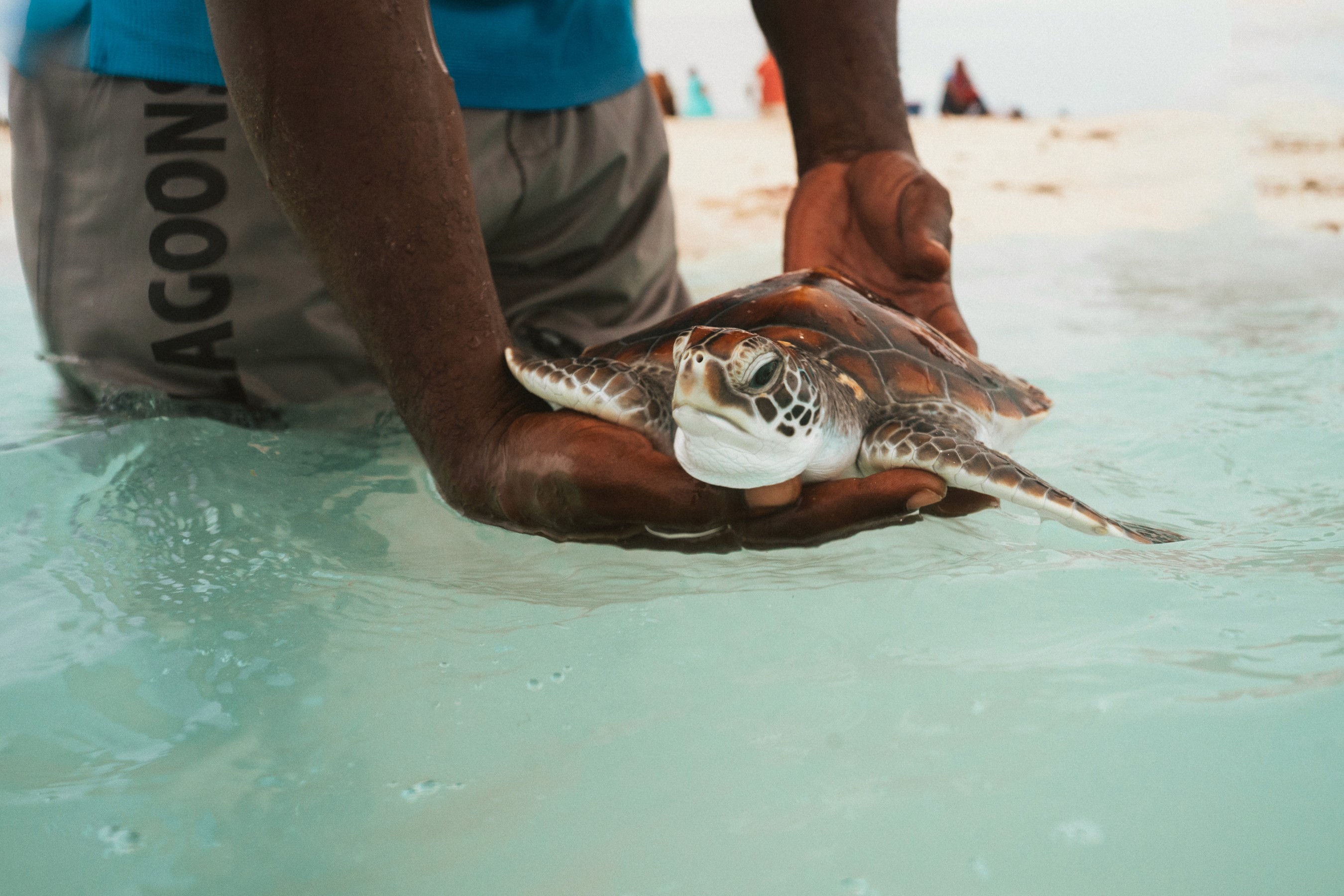
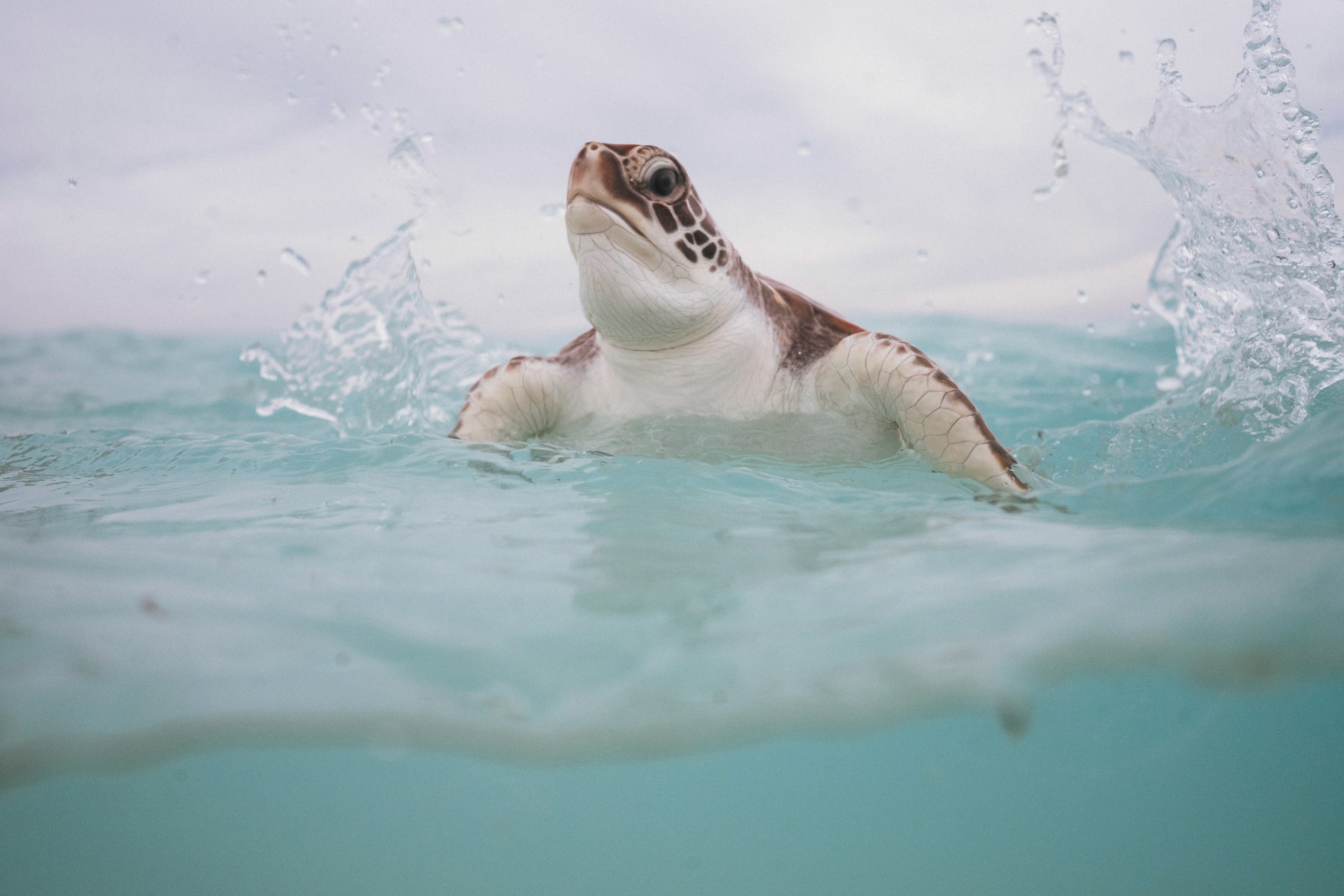
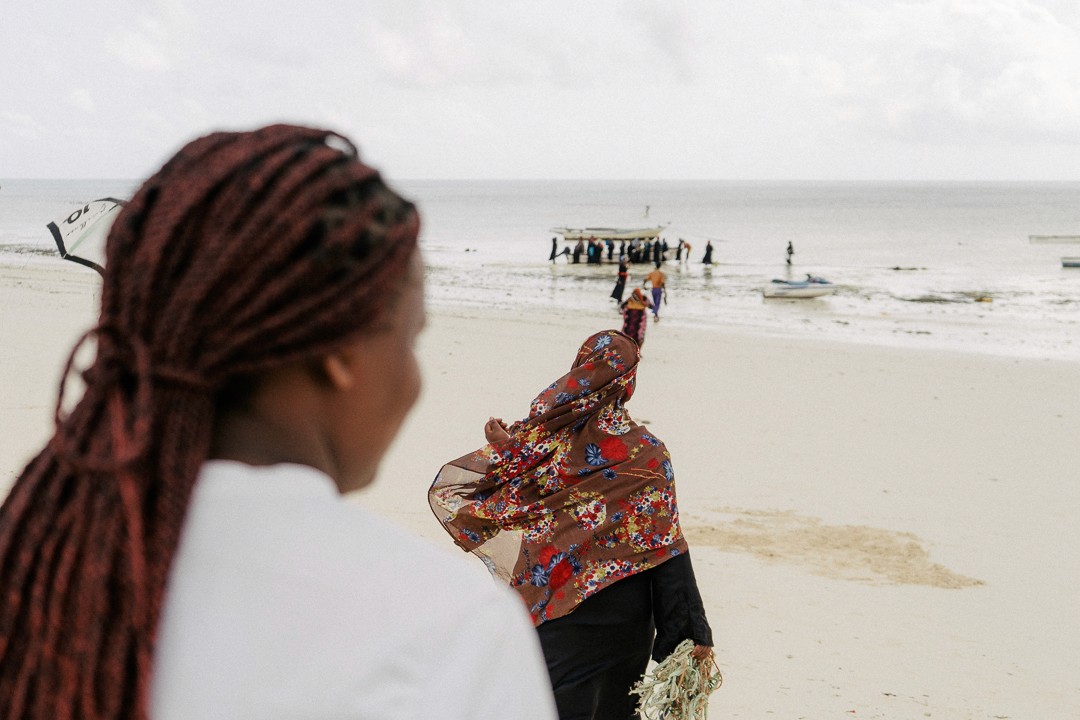
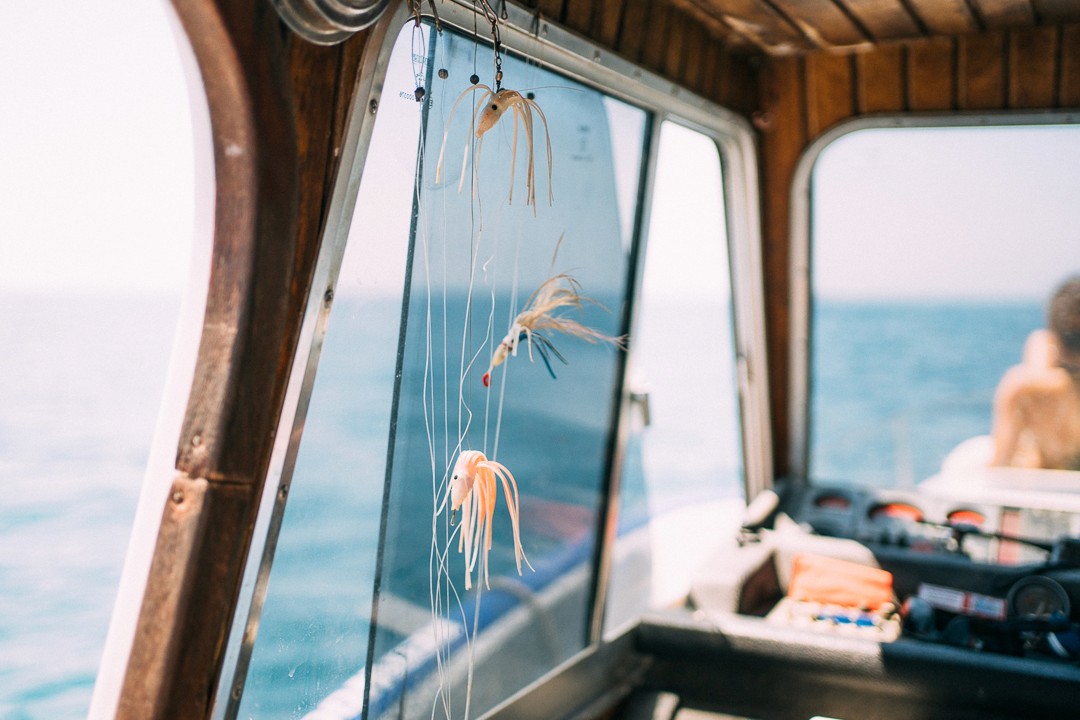
When I asked if I could join them on a turtle release day, they welcomed me. I arrived early with my camera, eager to witness and document every step. Volunteers moved through the pools, lifting the turtles gently, scrubbing algae from their shells, and preparing them for the journey. We transported them by truck to the beach. The process looked intense at times, but the animals were clearly calm, used to the careful hands that had cared for them. At the shore, we loaded the turtles onto a fishing boat and headed out into deeper water. One by one, the turtles were returned to the sea. Some were large and powerful, disappearing very quickly into the ocean. Others, especially the younger ones, were released closer to the coast where they could find protection among the reefs.
Conservation is not always perfect. It is often a patchwork of local knowledge, limited resources, and deep compassion.