What children know about the ocean
Location
Amed, Indonesia
Year
2026
How does teaching kids today reduce climate vulnerability tomorrow?
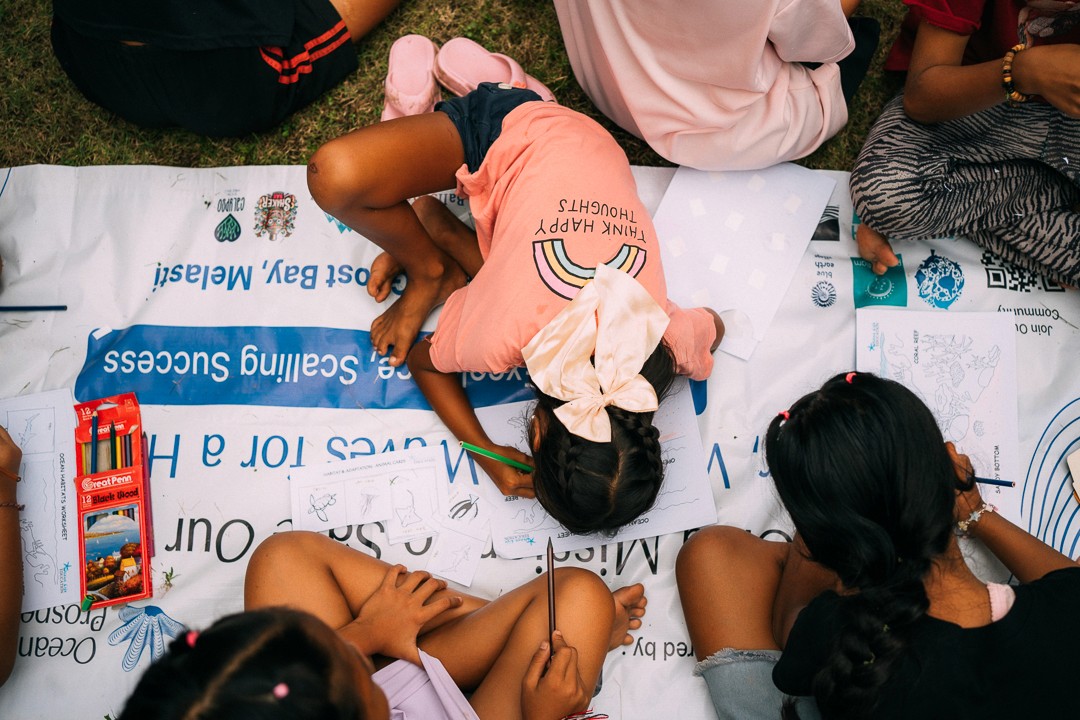
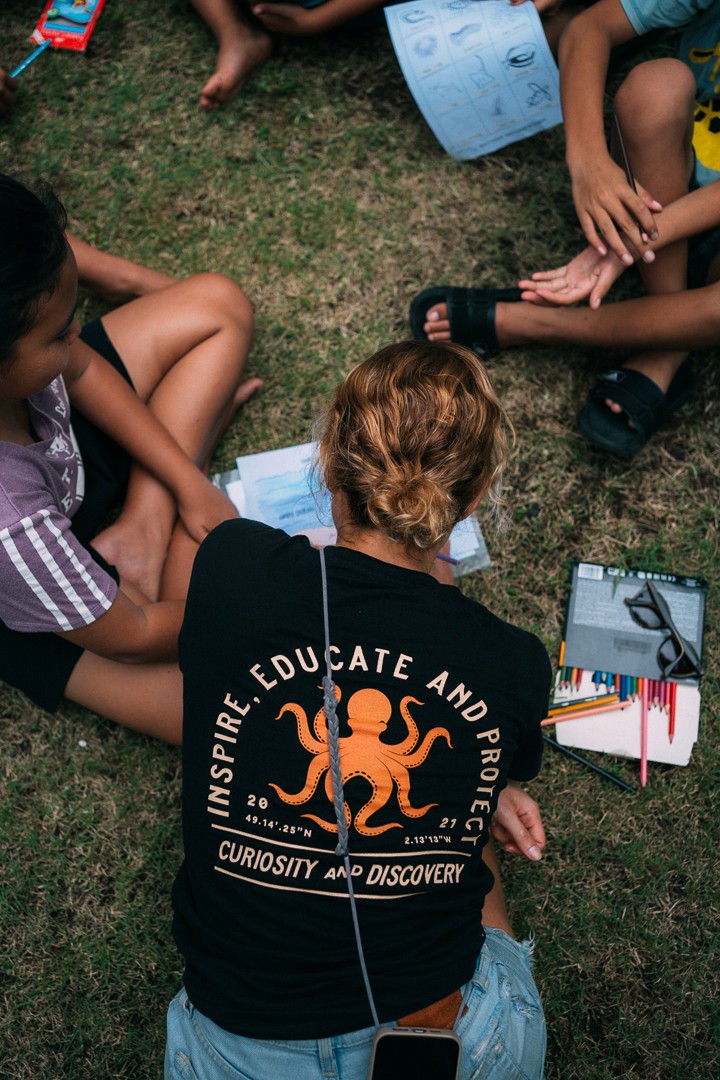
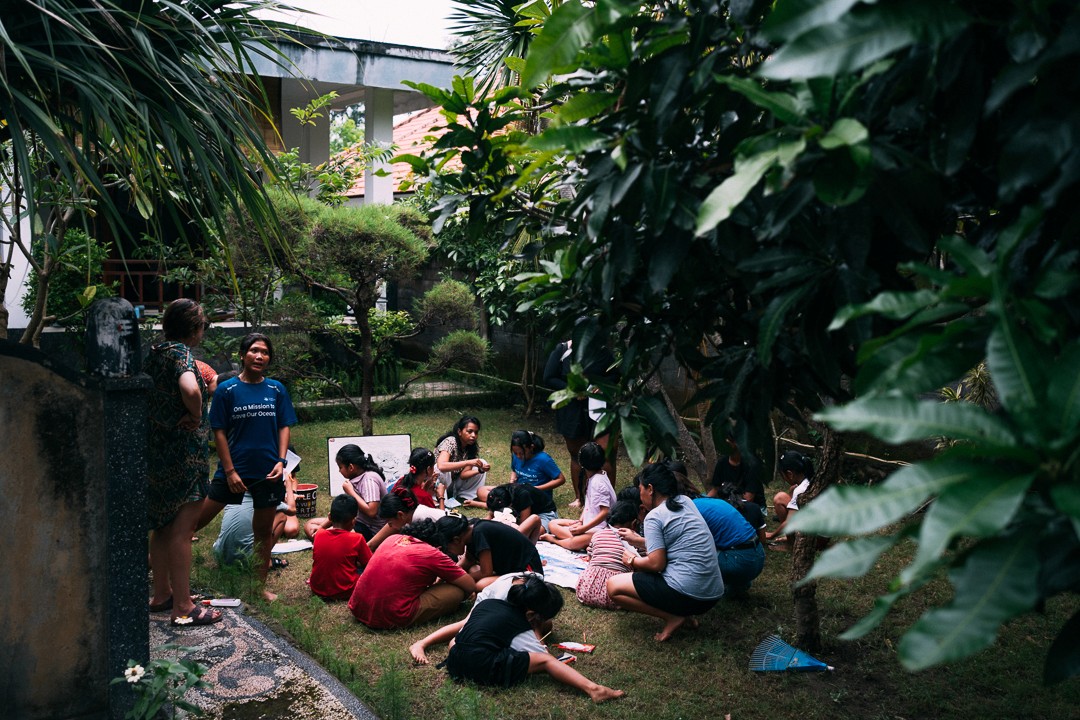
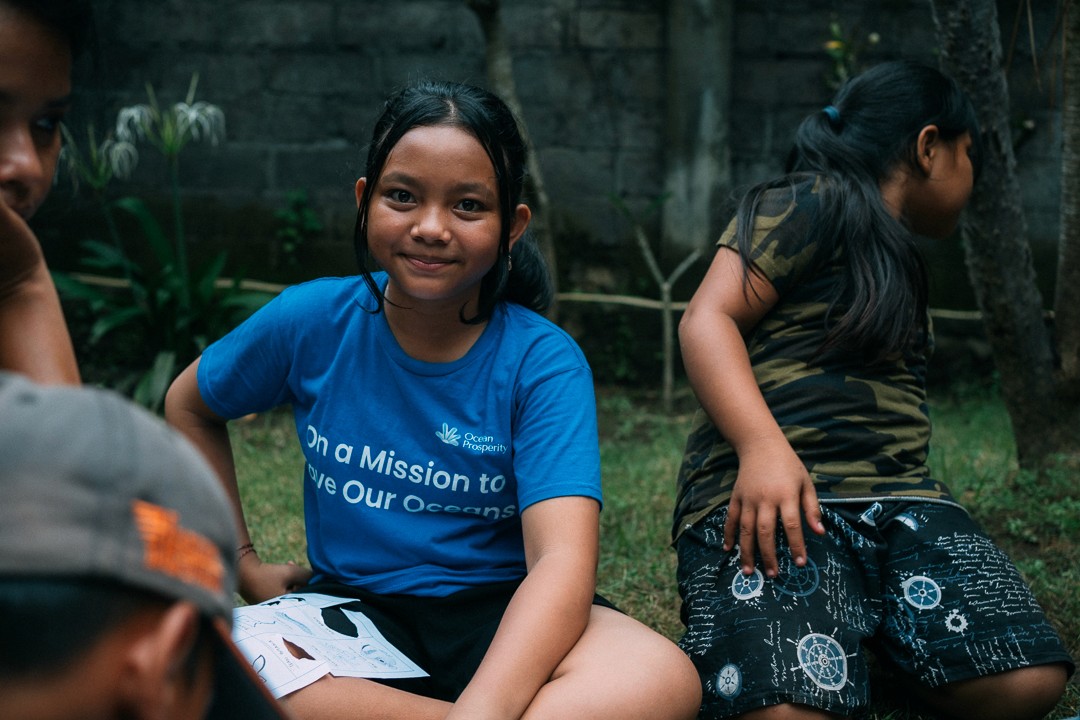
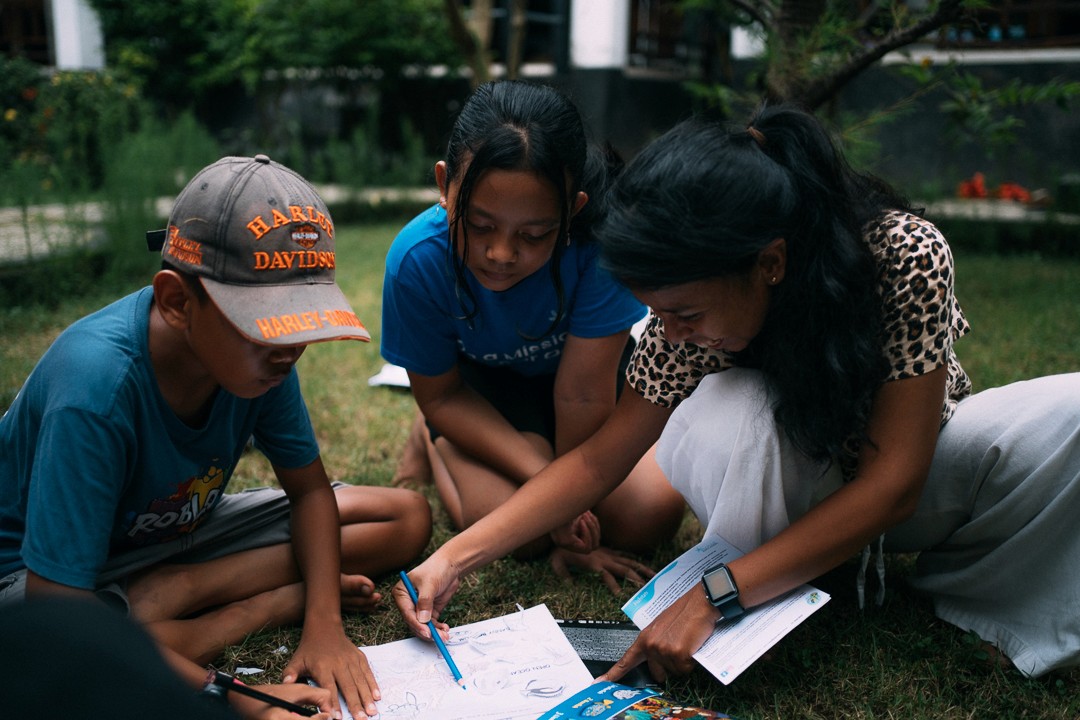
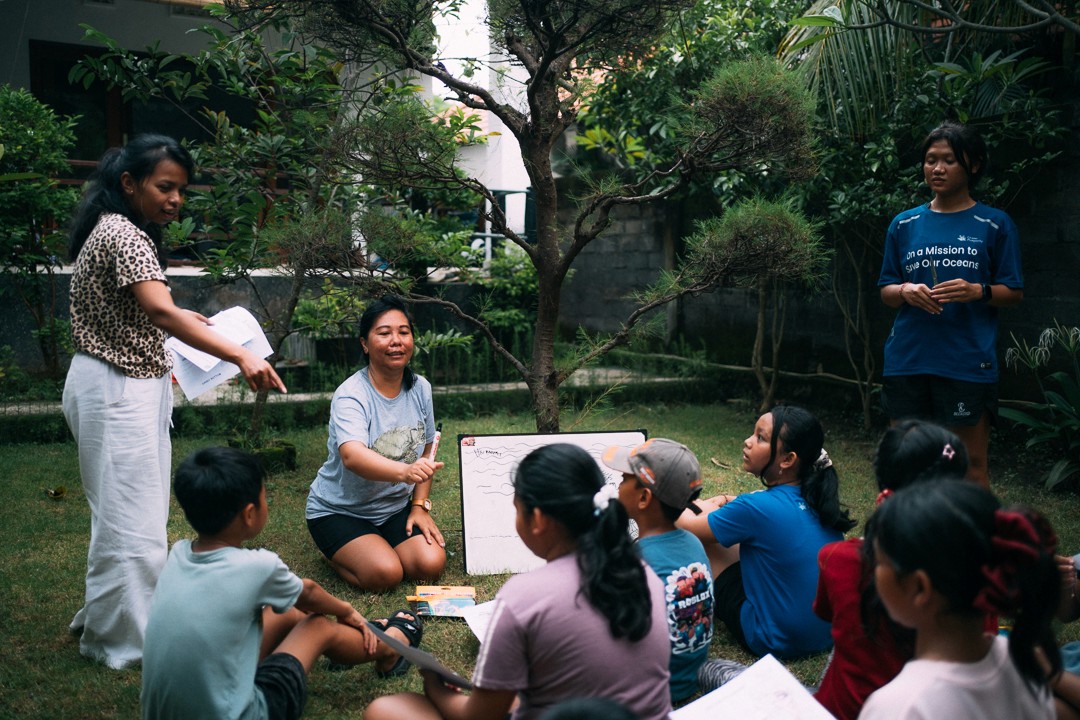
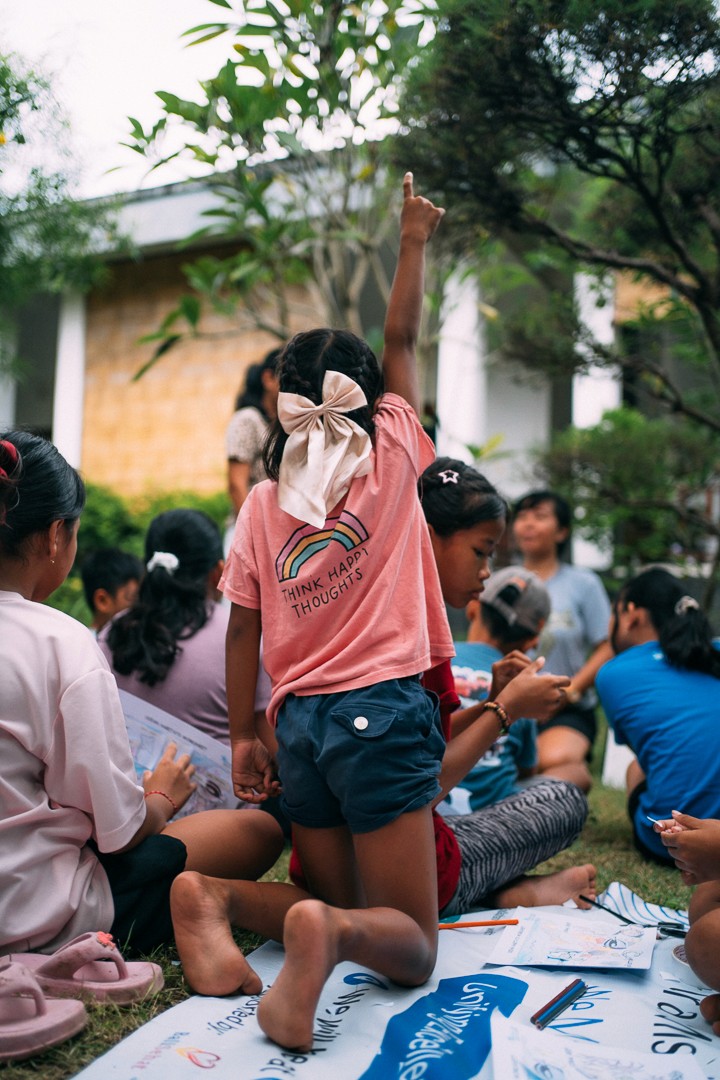
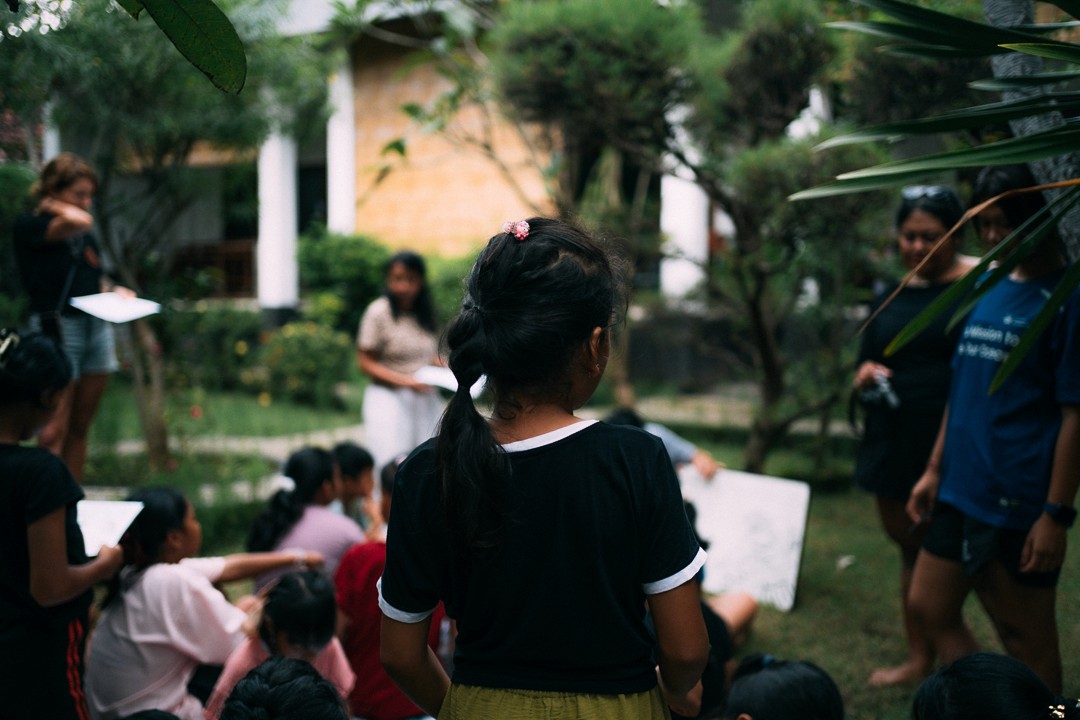
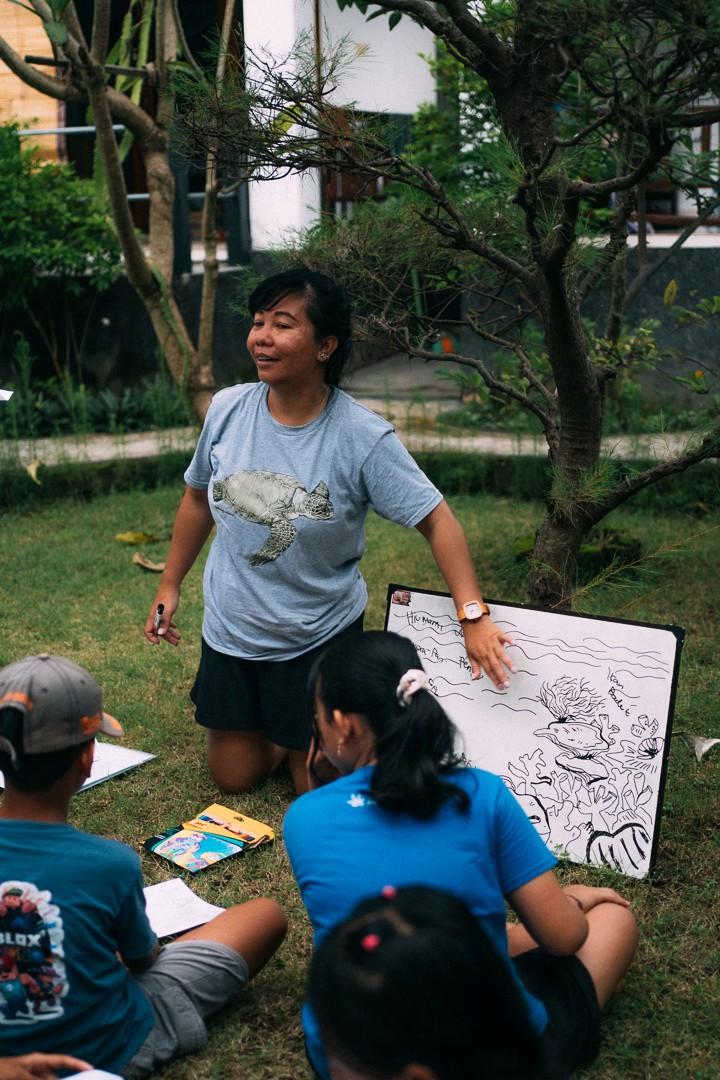
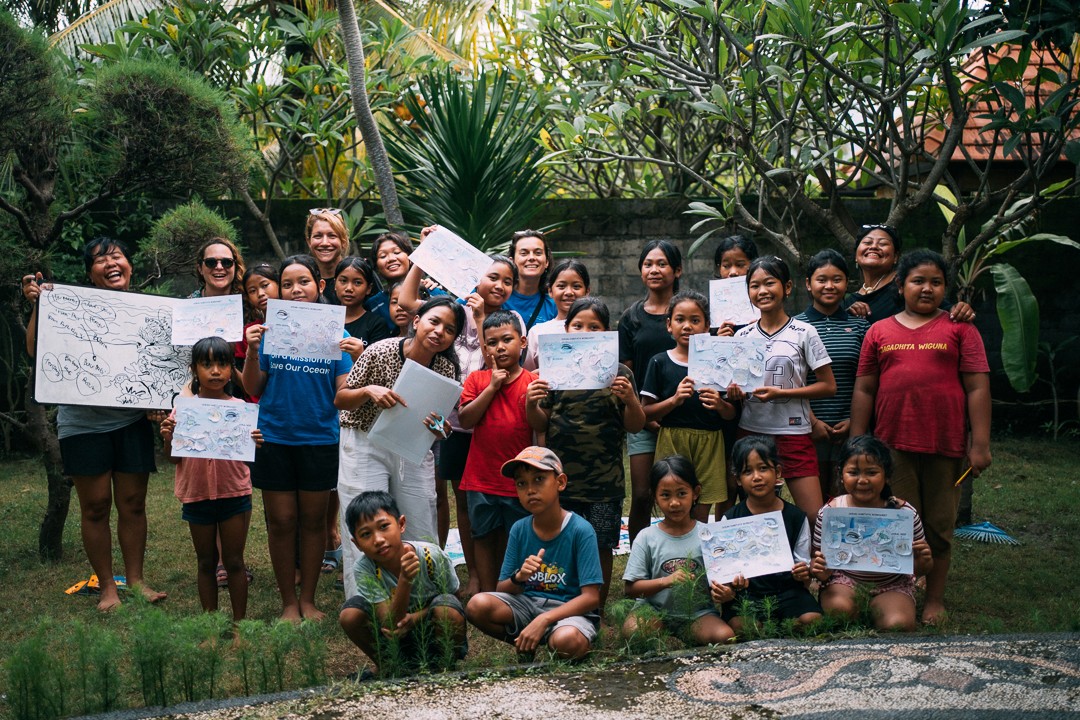
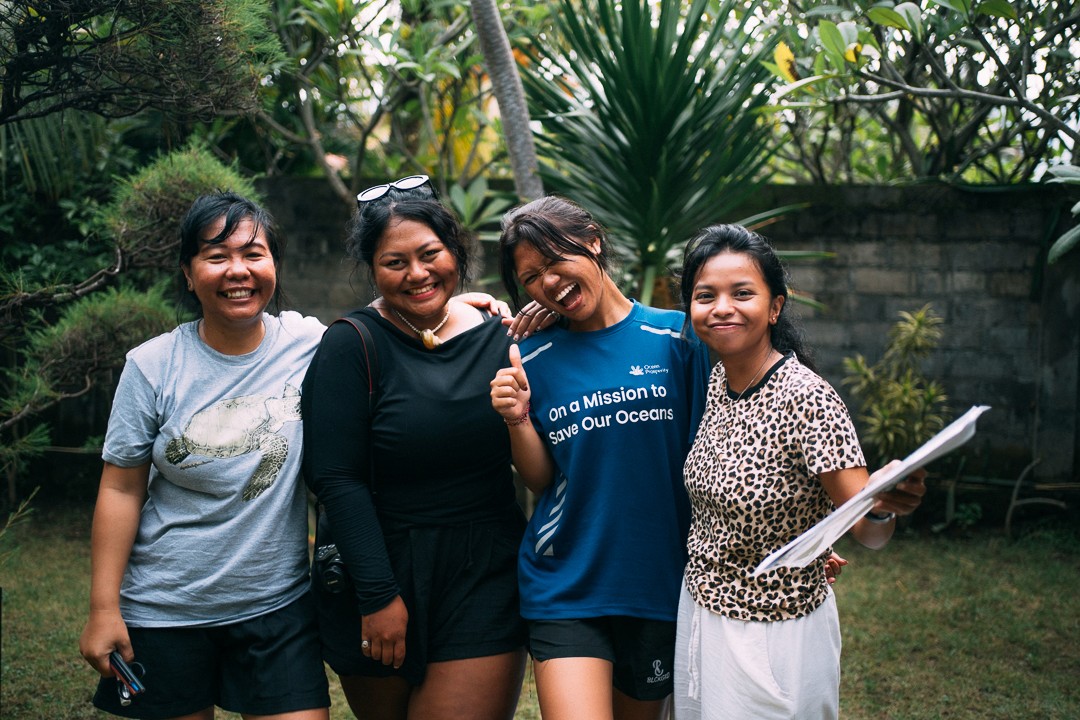
Two weeks ago, Coastal Kin partnered with Eka from Sekolah Biru and Patricia to teach the kids in Amed about their ocean.
My friends and I ended up helping. Mostly awkwardly, since we don’t speak Indonesian yet but the kids’ English was far better than our Bahasa.
I met Santi, the founder of Coastal Kin, during Bali Ocean Days Conference. We had landed in that conference by chance. We were going to be in Indonesia for three months while I worked on this photographic storytelling project and somehow we found ourselves in a room full of ocean people.
Santi told us about her community (Coastal Kin) built around how our relationship with the ocean matters. They teach young generations about marine conservation, organise donations to support coastal communities, and rescue sea turtles. But more than anything, they nurture connection.
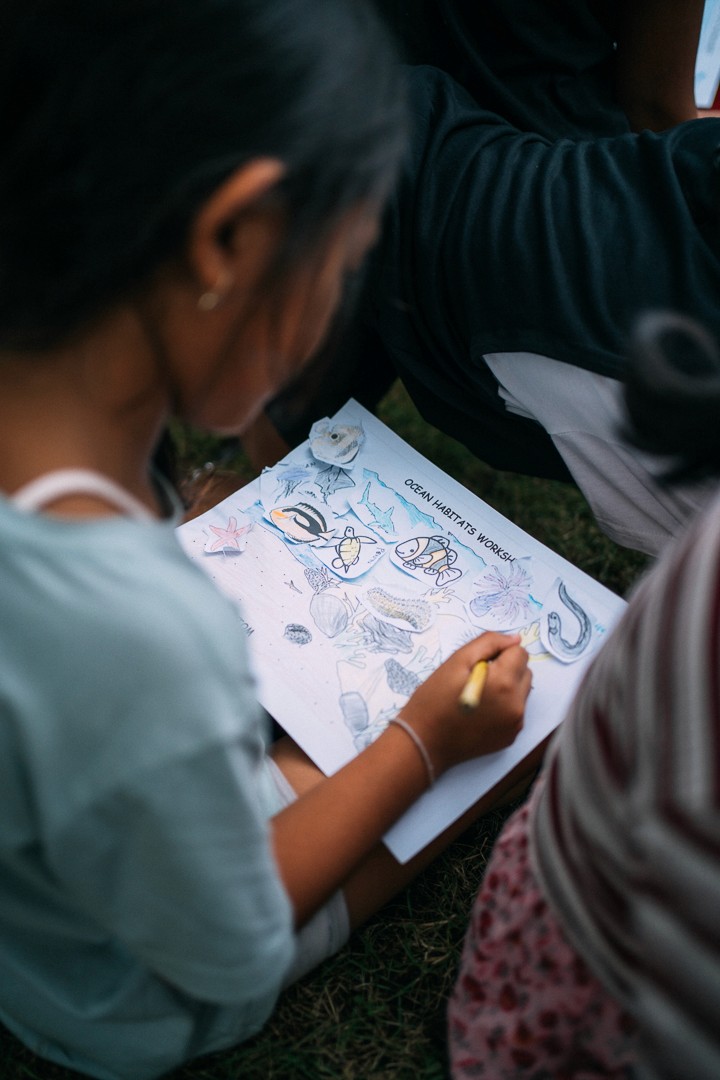
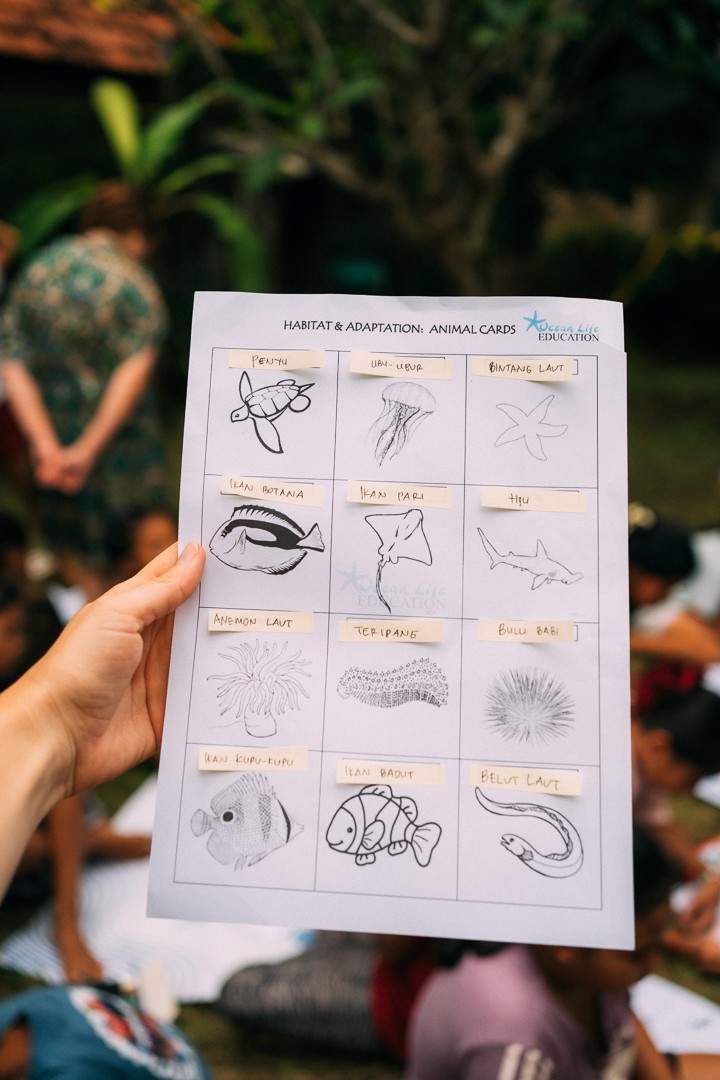
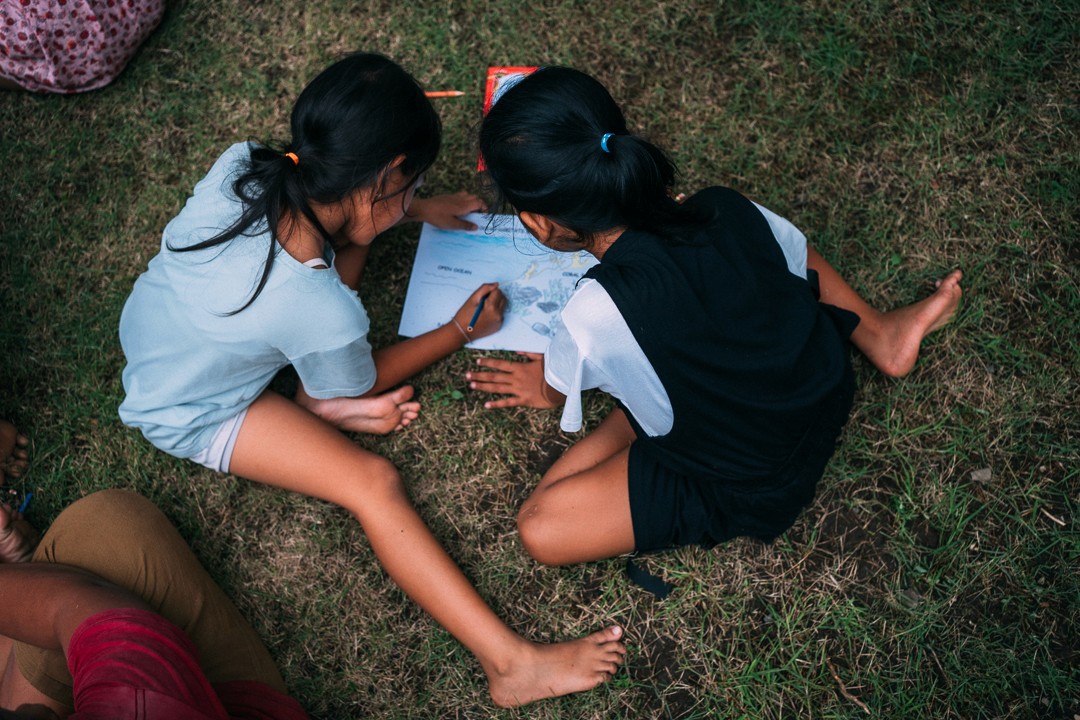
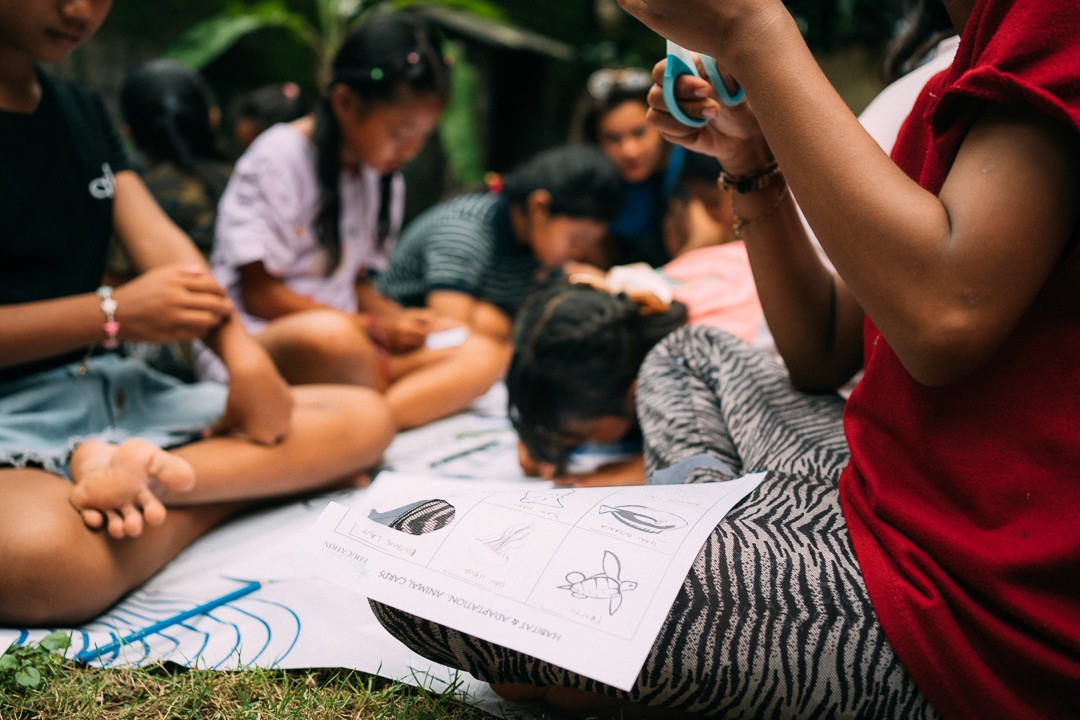
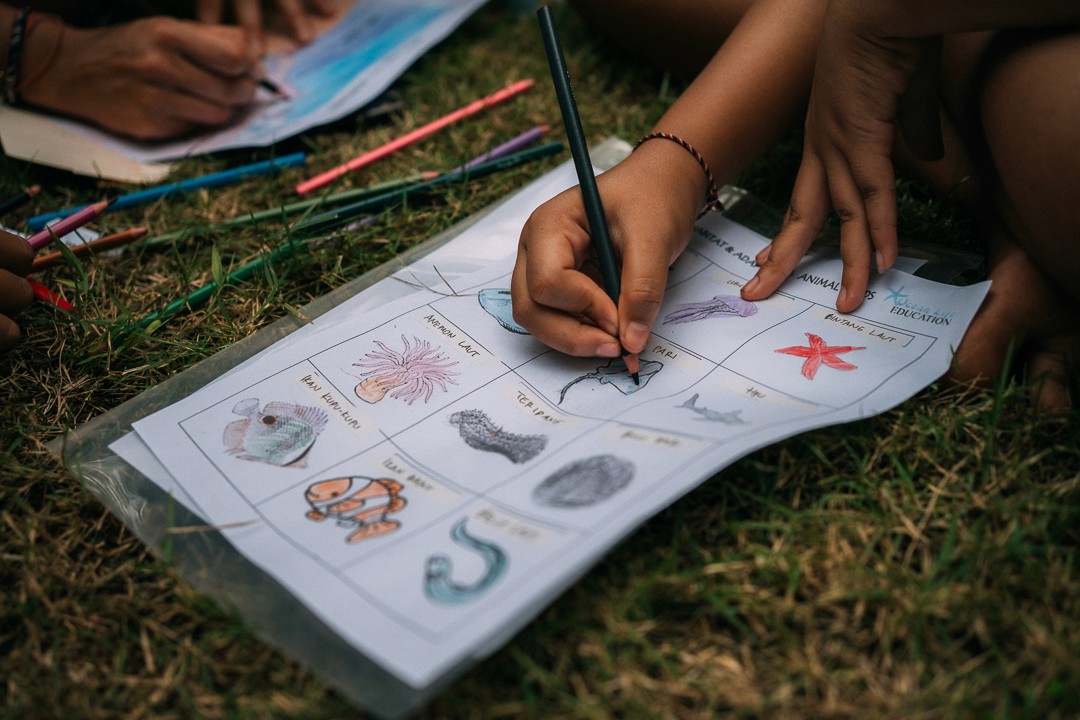
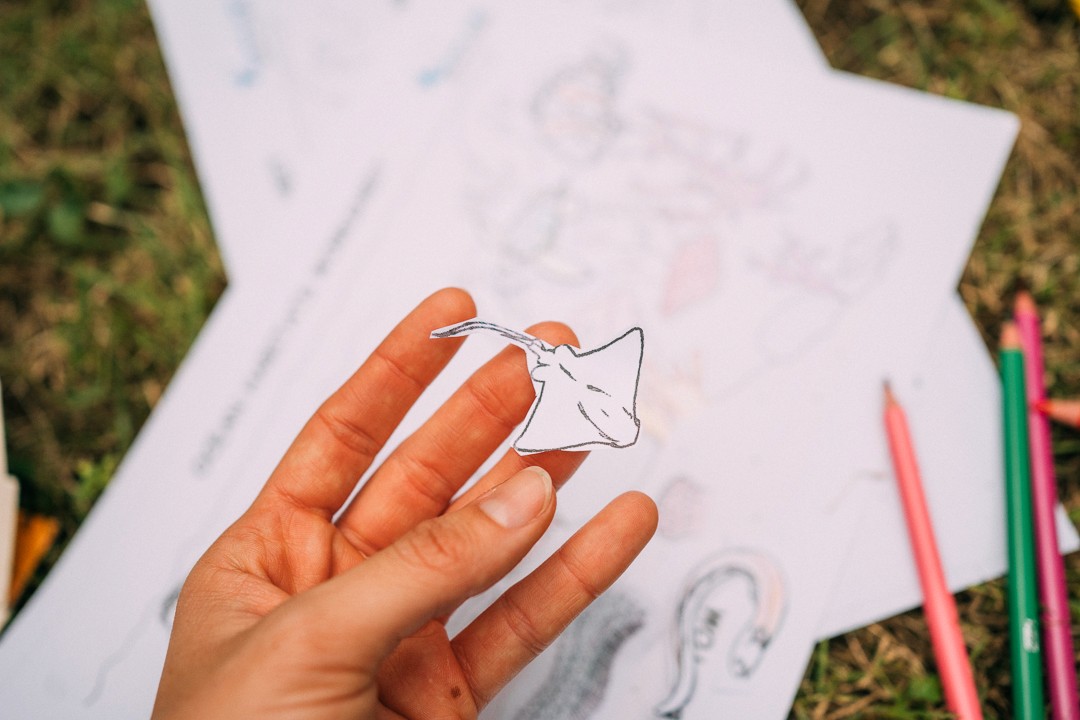
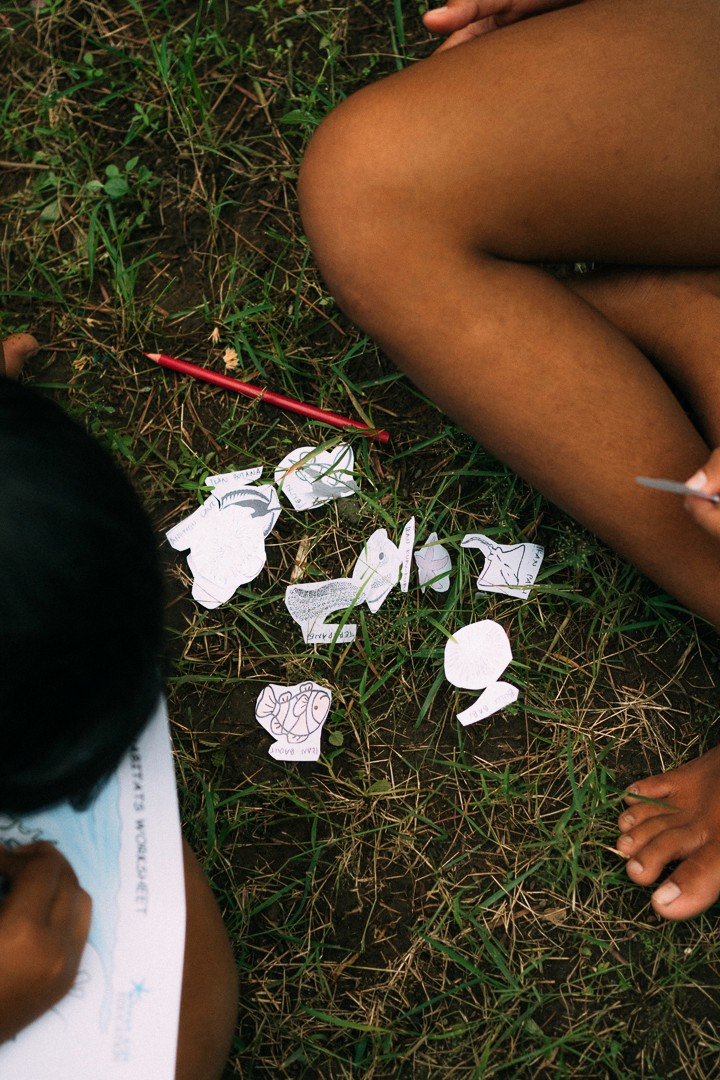
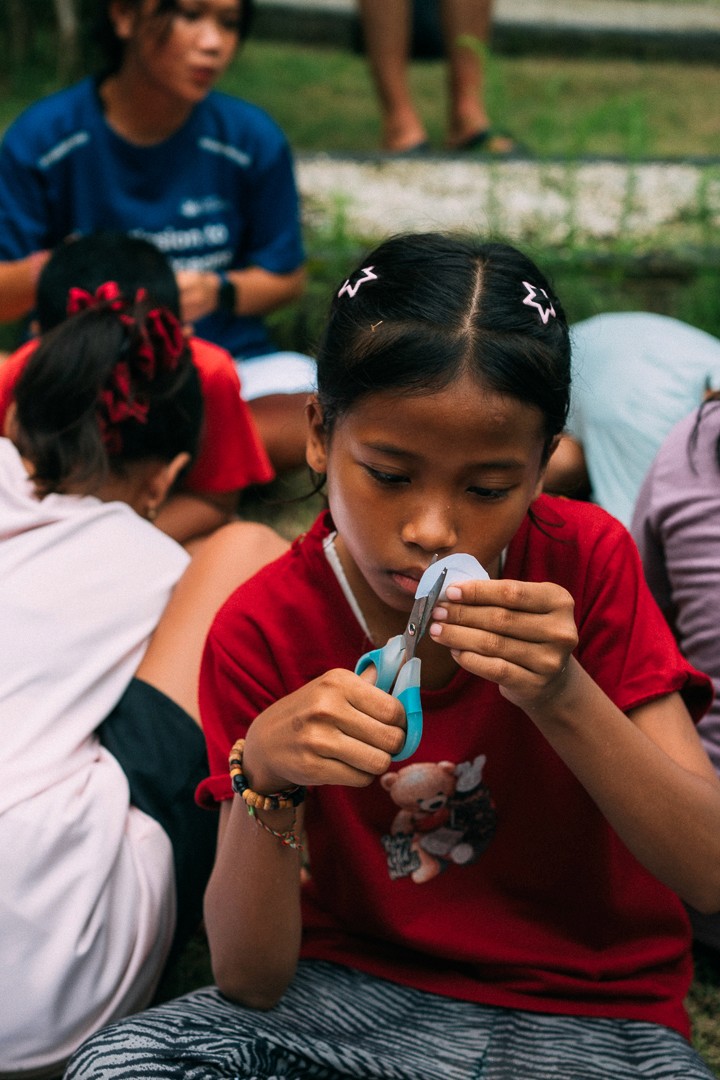
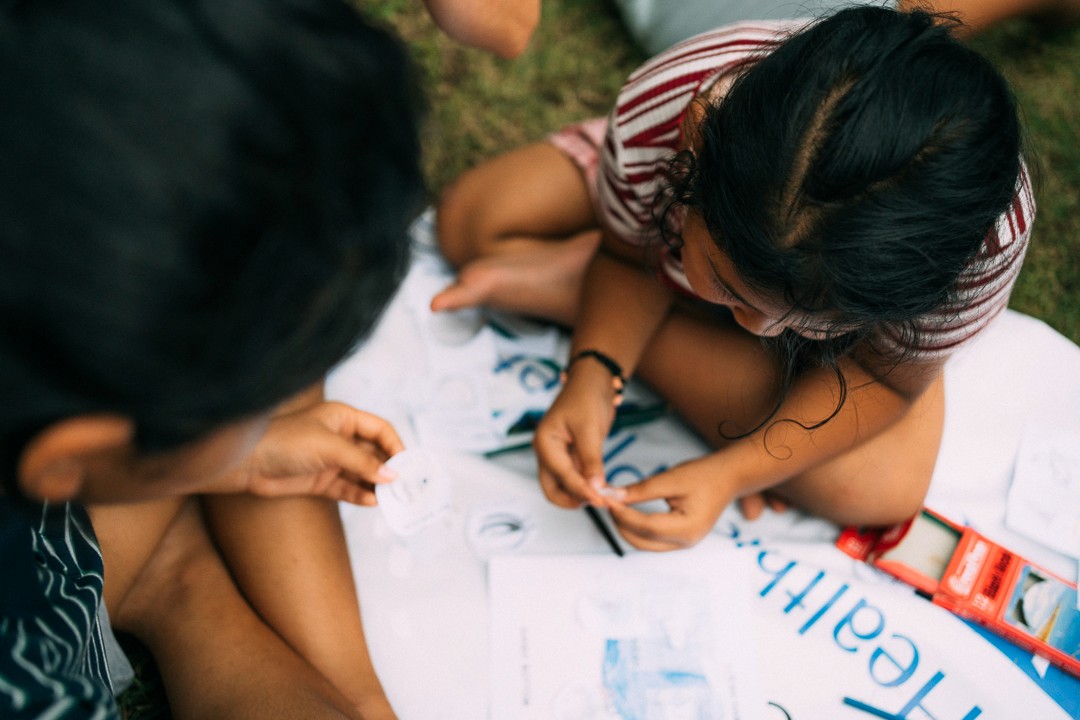
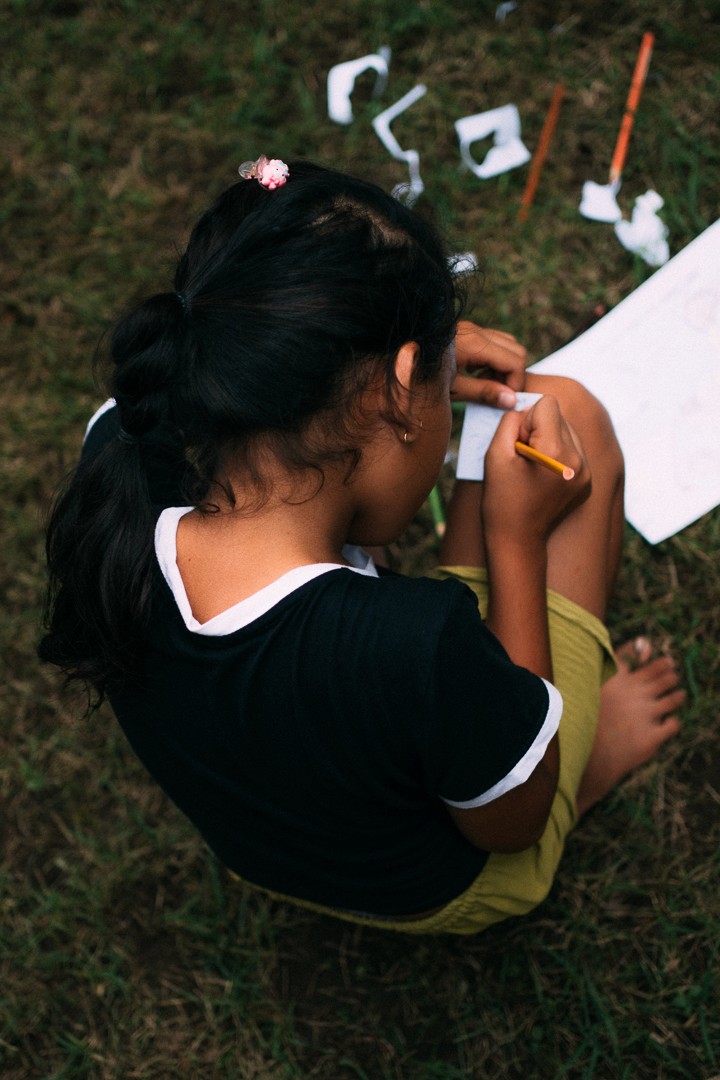
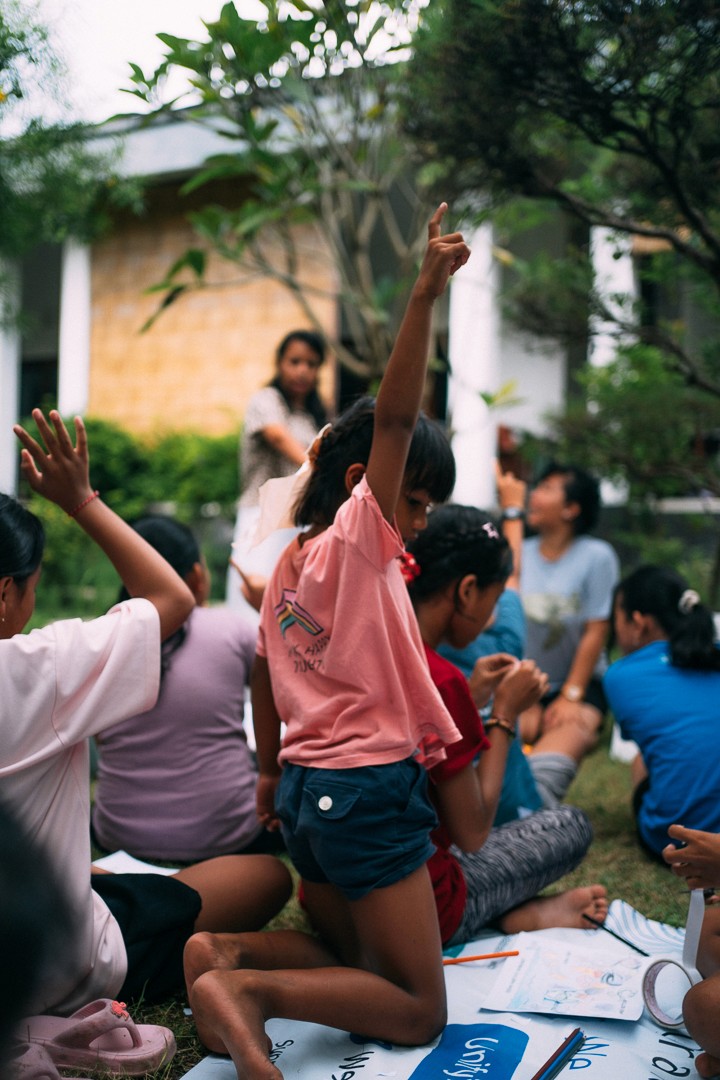
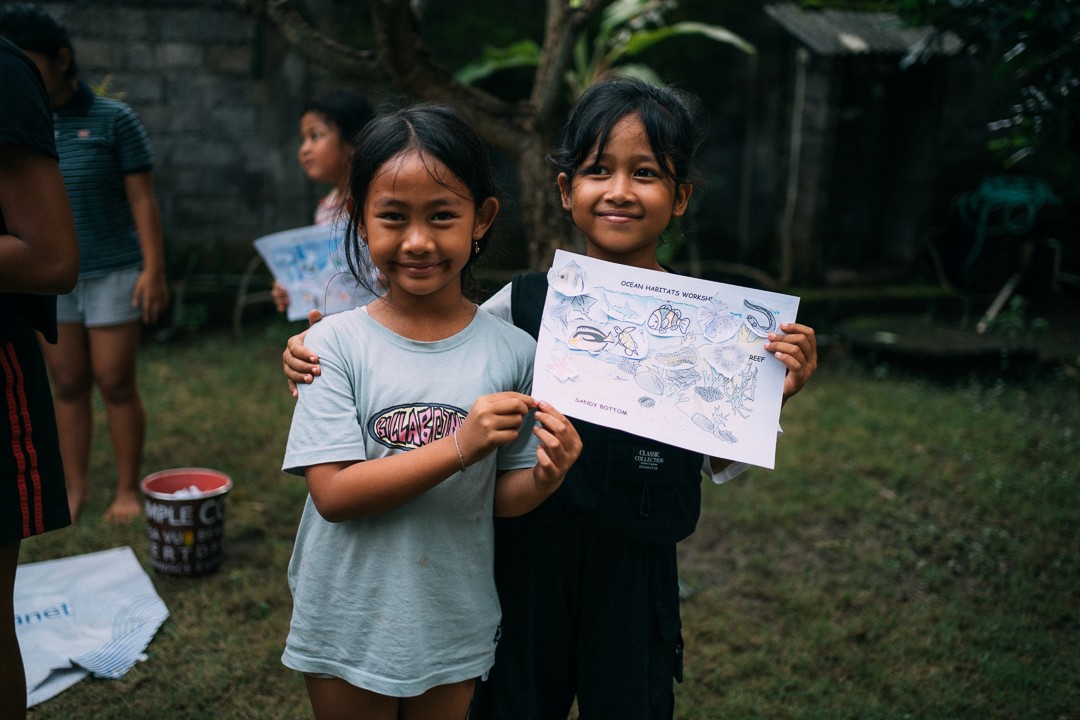
She invited us to participate on of their sessions in Amed. The kids had to match different marine animals to their habitats. They were debating, asking and correcting each other. Trying to remember where each species belongs.
This is where adaptation begins. Adapting to climate change won’t only happen through infrastructure or policy. It happens through involving the community and raising awareness.
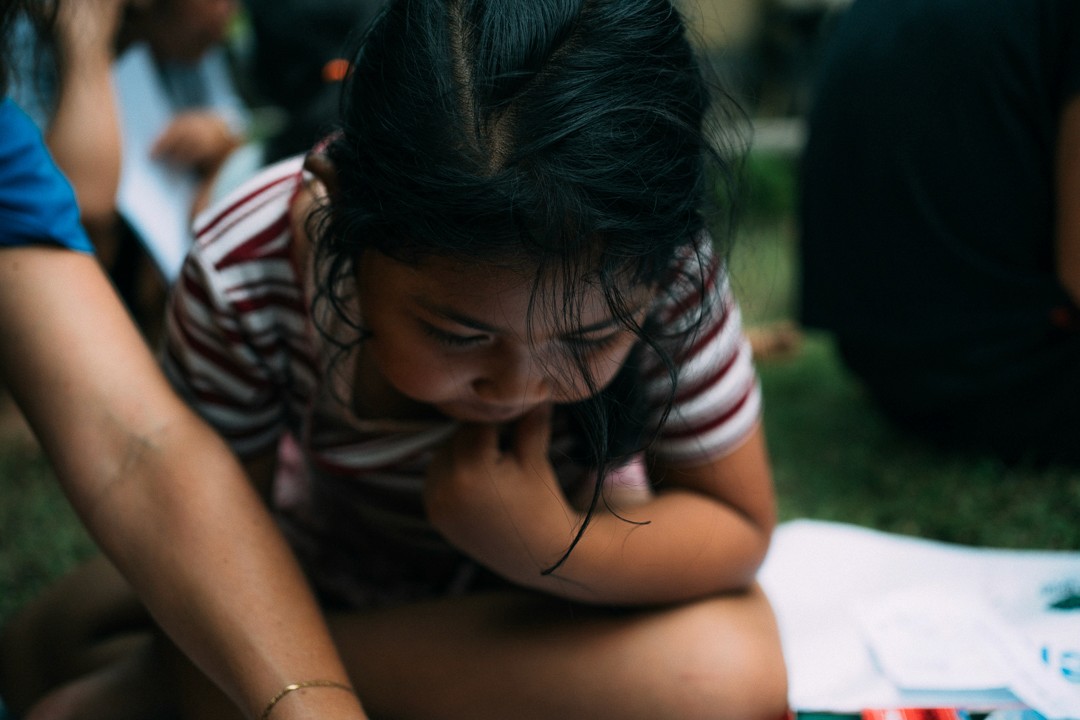
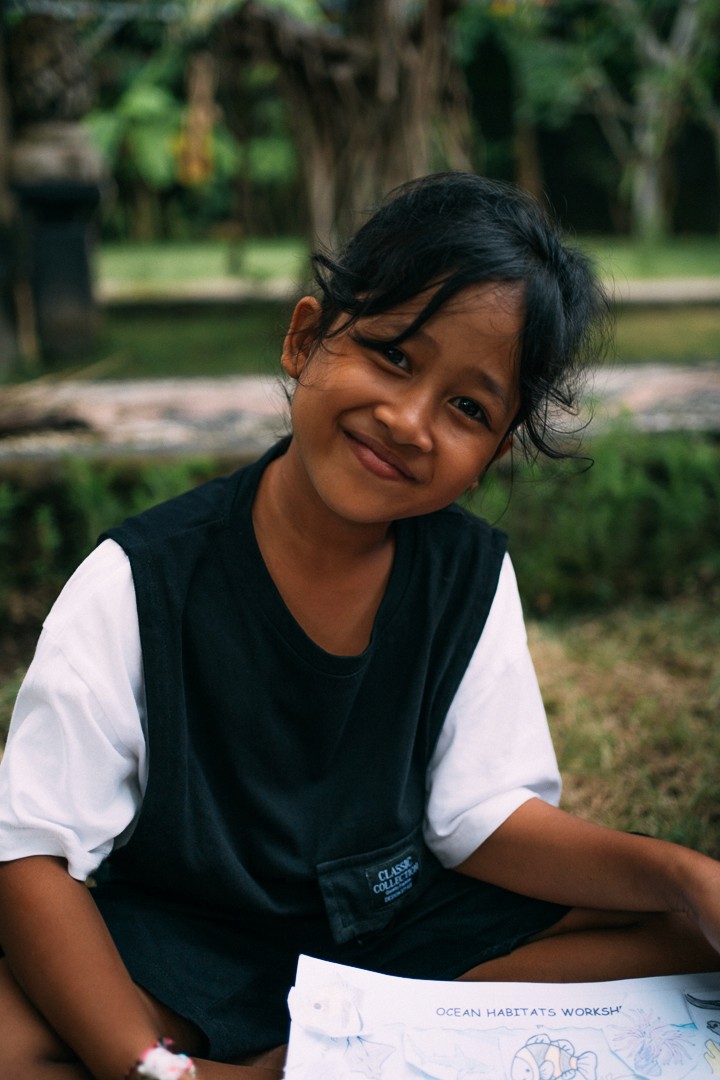
When children understand their ecosystems, they grow up more likely to protect them and advocate for them. Maybe it’s a 8 year old in Amed who learns that coral isn’t a rock, but a living animal. Next time she sees someone stepping on it, she says something.
Knowledge becomes stewardship. Stewardship becomes protection. And protection becomes resilience.
More projects